
Last updated October 16, 2026
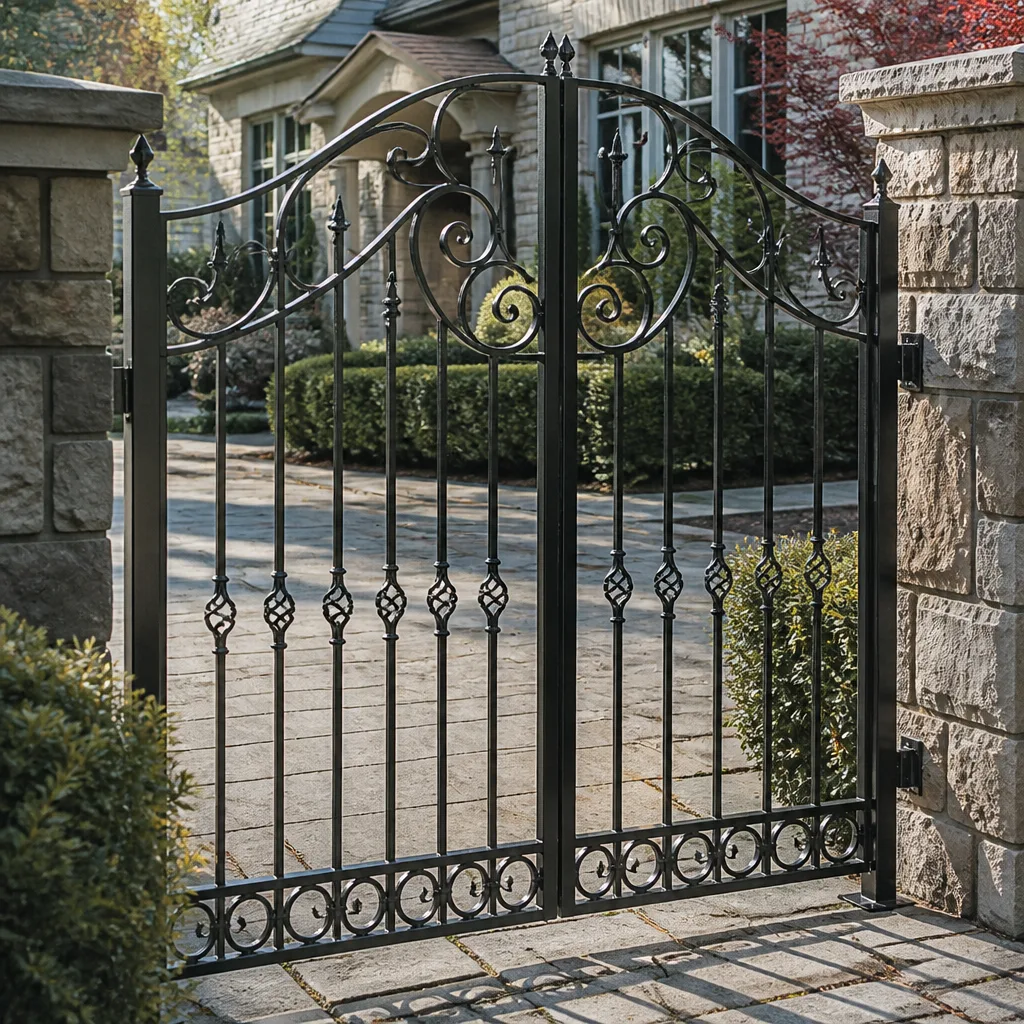 Wrought iron
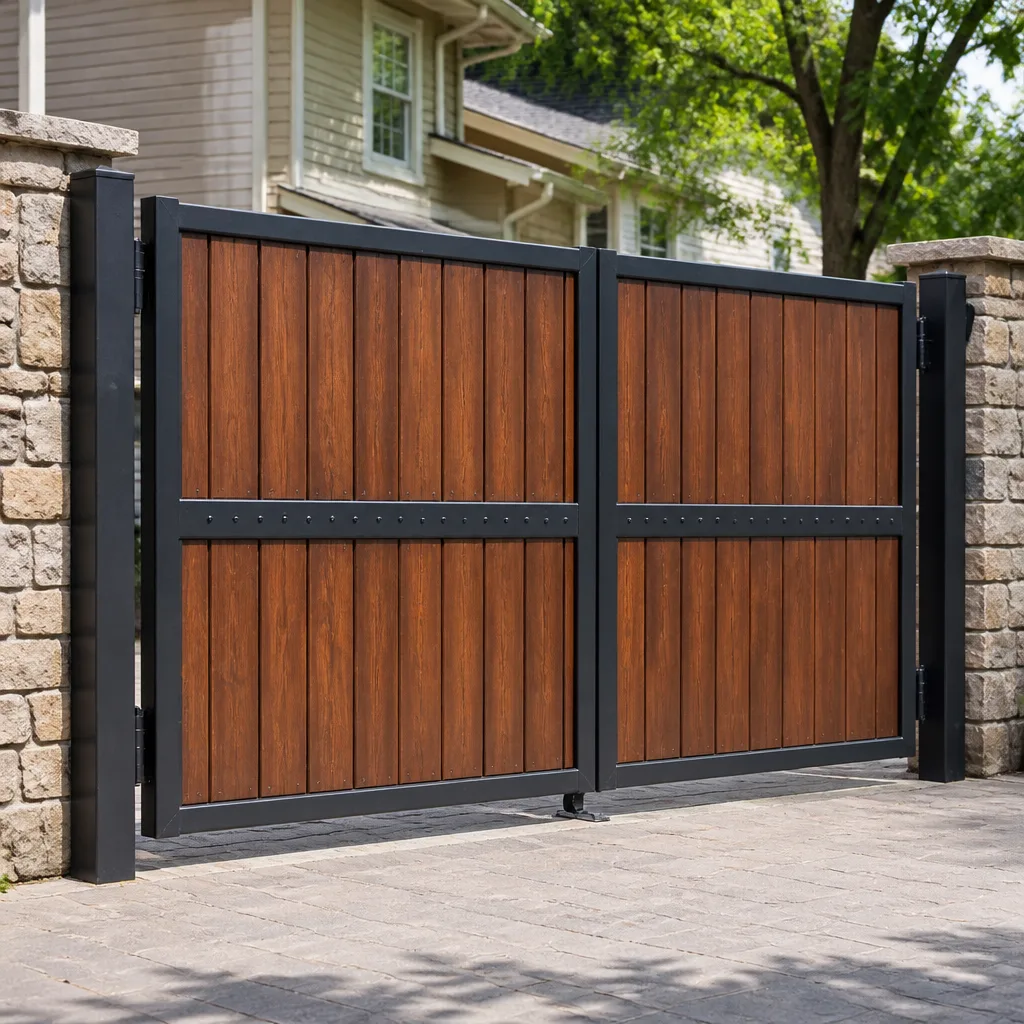 Wood & steel frame
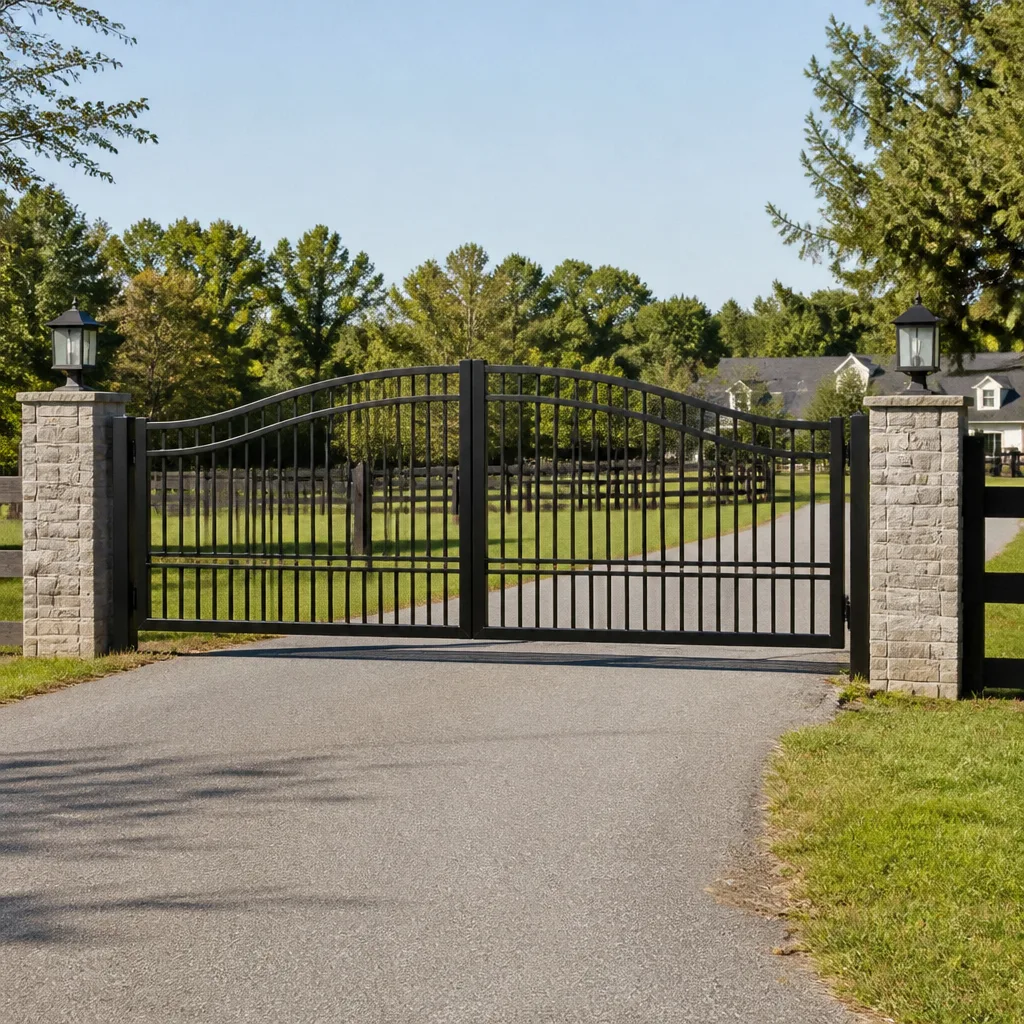 Farm & ranch
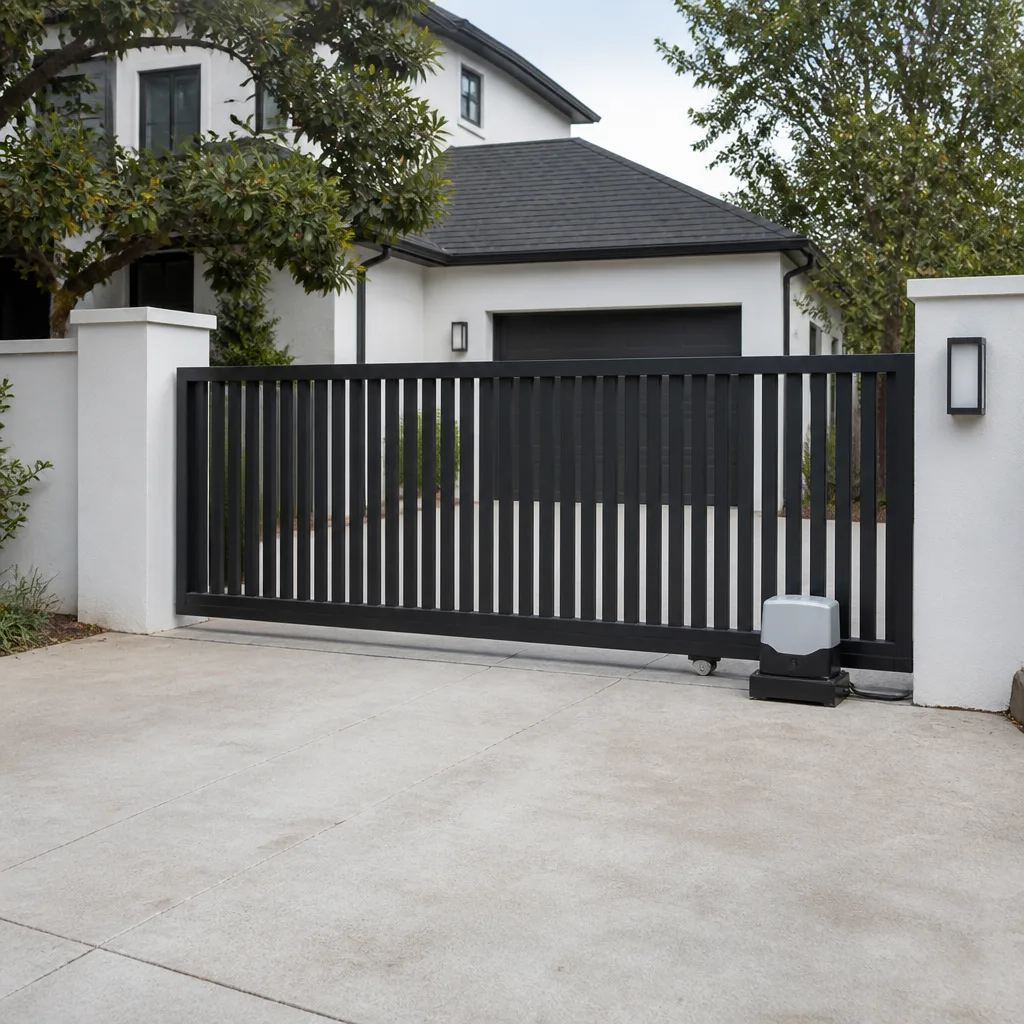 Sliding driveway gates
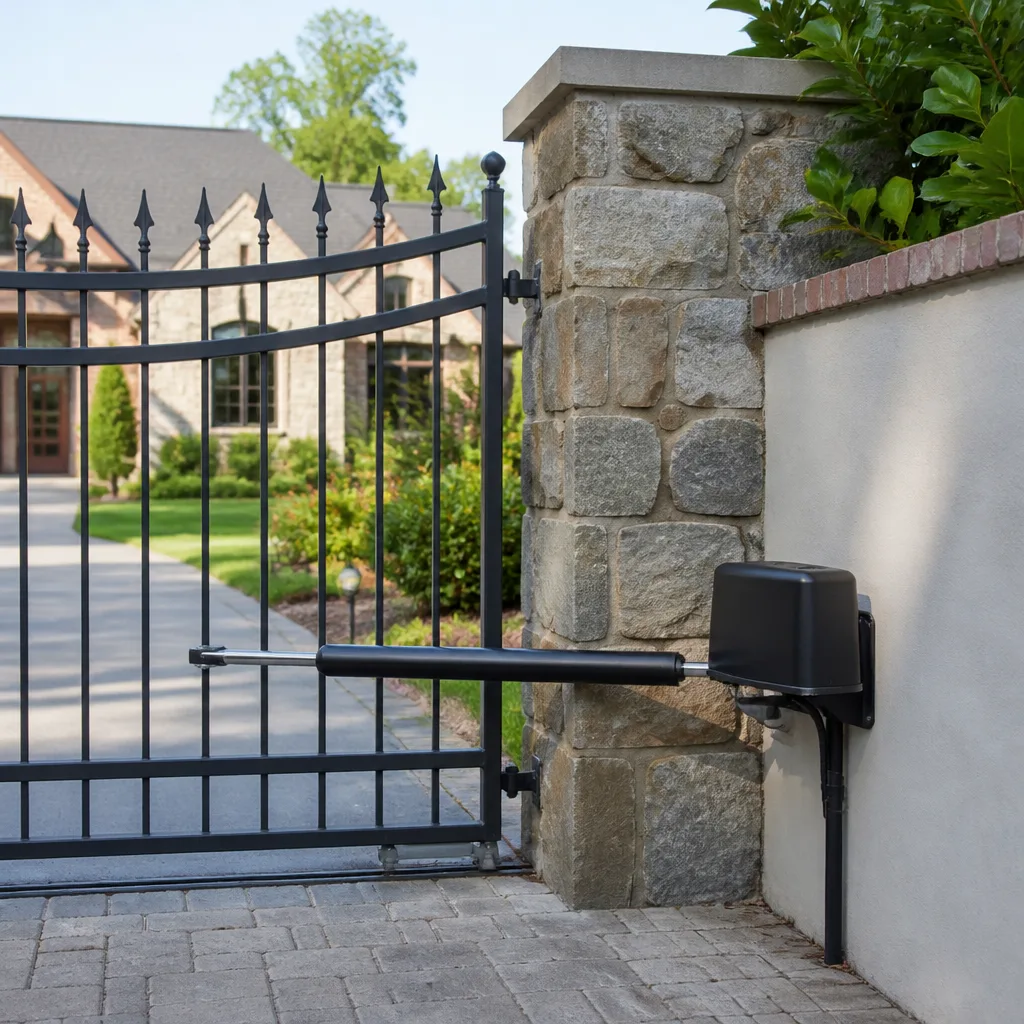 LiftMaster operators
Free on-site gate assessment - hinges, posts, and your LiftMaster or Nice gate operator checked before anything is quoted
The assessment is free and the quote is the invoice.
Get your free estimateThe Complete Guide to Gate Repair in Miami
Miami’s average relative humidity sits above 75% year-round, and in neighborhoods like Brickell, Coconut Grove, and Coral Gables, the salt-laden air does something most national gate repair guides never account for: it turns a ten-year hinge into a three-year hinge. Most gate repair advice online was written for Phoenix or Atlanta, where dry air and mild storms let gate hardware age slowly and predictably. Miami is different, and if your gate was installed using generic national guidance, you may already be paying the price. This guide covers what actually fails on Miami gates, why it fails faster here, what repairs should cost, and how to choose a Gate Repair services company you can trust. We’re writing this from Miami, where we’ve repaired gates in every zip code from 33101 to 33196.
Styles & brands we work with
Quick Answer
Gate repair in Miami typically costs between $180 and $1,200 depending on what failed, with the most common issues being corroded hinges, misaligned tracks, dead gate motors, and failed circuit boards. In coastal Miami neighborhoods, corrosion is the primary driver of gate failure and most repairs require replacing hardware rather than simply adjusting it. The most reliable approach is to have a trained technician diagnose the entire gate system (hinges, frame, opener, safety sensors) rather than fixing one visible symptom, since Miami’s climate tends to cause cascading failures. We’ll cover exact costs, timelines, and what to look for section by section.
Table of Contents
- Why Miami Gates Fail Differently Than Anywhere Else
- Miami-Dade Wind Load and Code Requirements
- The Most Common Gate Repairs in Miami
- How Much Gate Repair Costs in Miami
- How to Read Your Miami Gate Repair Estimate
- How to Choose a Gate Repair Company in Miami
- Common Mistakes to Avoid
- When to Call a Professional
- Frequently Asked Questions
- The Bottom Line
Why Miami Gates Fail Differently Than Anywhere Else
If you moved to Miami from another state, you may have noticed that your gate hardware looks older than it should. That’s not your imagination. Miami’s combination of salt air, humidity, and intense UV exposure creates what corrosion engineers call an accelerated aging environment, and most gate manufacturers don’t design for it by default.
Here’s what that means for the three most common gate materials:
Wrought Iron and Steel Gates
Wrought iron is the classic Miami look, especially in older neighborhoods like Shenandoah and Coral Way. But untreated or poorly coated iron gates in Miami begin showing surface rust within 12 to 18 months of installation, and structural rust at weld points can appear within 3 to 5 years. In coastal areas like Key Biscayne or Miami Beach, that timeline shortens further. The salt doesn’t just sit on the surface; it works into the microscopic pores of the metal and attacks from within. Once a hinge or weld point starts rusting from the inside, tightening or lubricating it won’t help. The repair is replacement.
Aluminum Gates
Aluminum doesn’t rust like iron, which is why many newer Miami homes in Doral and Kendall have aluminum gates. But aluminum has its own Miami problem: galvanic corrosion. When aluminum hardware is bolted directly to steel or iron posts without an insulating barrier, the salt air accelerates a reaction that causes the aluminum to corrode rapidly. We regularly see aluminum gate frames that are structurally sound but have hinge brackets that have turned to white powder. The gate never moved, but the connection points failed. A proper Miami repair uses marine-grade fittings or isolation pads, which most generic installers skip.
Vinyl Gates
Vinyl gates resist corrosion entirely, which makes them popular in newer developments. But Miami’s sun is brutal on vinyl, particularly the plastic hinges and latch hardware that many manufacturers include by default. Vinyl gets brittle after 5 to 8 years of Miami UV exposure, and the first thing to crack is usually the hinge assembly, not the gate panel itself. A vinyl gate that sags in a Miami summer is usually a failed hinge, not a failed panel.
The Opener Factor
Most gate repair calls in Miami eventually involve the gate motor (the box that slides or swings your gate automatically). Miami’s heat means these motors run hot, and heat breaks down capacitors and circuit boards faster than the manufacturer’s projected lifespan suggests. A motor rated for 10,000 cycles in moderate climates may fail at 6,000 cycles in Miami. The brands we service most in Miami include FAAC, BFT, Linear, and Viking, and each has its own Miami-specific weakness. FAAC motors are generally robust but their control boards can be sensitive to the voltage fluctuations common during Miami’s summer storms. BFT motors hold up well to heat but their limit switches corrode quickly near the coast. Linear and Viking models sold nationally often lack the corrosion-resistant coating that Miami really needs, and we frequently replace their hinge hardware with marine-grade equivalents.
If you’re researching Gate Repair in Miami, the most important thing to understand is that your gate is a system, not a collection of parts. The hinge, the frame, the motor, and the control board all age together in the same salt-heavy environment. A symptom in one place usually means wear in another.
Miami-Dade Wind Load and Code Requirements
Miami-Dade County has the strictest wind-load standards in the United States, and for good reason. A gate that isn’t rated for hurricane wind loads doesn’t just fail; it becomes a projectile. A 16-foot steel gate weighing 400 pounds can cause catastrophic damage if it breaks loose in a named storm.
Miami-Dade’s building code requires that all new gate installations and major gate repairs meet wind-load requirements specific to the property’s location. Structures closer to the coast have higher wind-load requirements than inland properties. A gate that would pass inspection in Kendall might not be code-compliant in Coconut Grove, simply because the wind speeds are higher closer to the water.
Here’s what this means for your repair, step by step:
- Check your gate’s wind rating. Newer gates in Miami should have a Miami-Dade NOA (Notice of Acceptance) or other product approval documentation. If you don’t have this, your gate was likely installed before current codes took effect.
- Understand what repairs trigger code compliance. Replacing a hinge or a motor is generally fine. But if you’re replacing the gate panel, the frame, or the support posts, Miami-Dade code requires that the new components meet current wind-load standards. A reputable Miami gate company will bring this up without being asked.
- Look for stainless steel or hot-dip galvanized hardware in coastal zones. This isn’t just a preference in Miami; it’s long-term survival. Standard zinc-plated hardware corrodes in months in coastal neighborhoods.
- Confirm that the gate’s structural attachment points are sound. After years of Miami storms, the bolts that secure the gate post to the concrete can loosen or corrode. This is a structural repair, not a cosmetic one.
If you’re not sure whether your repair needs a permit or a wind-load review, ask the repair company directly. A knowledgeable Miami gate repair professional should be able to answer this question in one sentence. If they hesitate or tell you it doesn’t matter, that’s a red flag. More on choosing a company later in this guide.
The Most Common Gate Repairs in Miami
After 17 years of repairing gates in this city, we can tell you that Miami gate repair calls cluster around a predictable set of problems. Here are the ones we see most, in rough order of frequency:
1. Hinge Corrosion and Sagging
This is the number one call we get in Miami, and it’s almost always corrosion-related. A gate that starts scraping the ground or catching on the latch is almost never a bent panel; it’s a hinge that has been quietly corroding for years. In coastal neighborhoods, a galvanized hinge can lose enough structural material to fail within 4 to 6 years. Repair involves removing the old hinge, grinding the mounting surface clean, and installing a marine-grade replacement. The labor takes longer than the part cost suggests, because the old fasteners are usually seized.
2. Gate Motor and Control Board Failure
If your gate stops responding to the remote or the keypad, the issue is usually in the motor’s control board or the motor itself. Miami’s heat and electrical storms take a toll on FAAC, BFT, Linear, and Viking control boards, and replacement boards are brand-specific. This is also where repair prices vary widely, because the board itself can be highly expensive for certain models. Before you authorize a board replacement, ask the technician to verify that the power supply and safety sensors are functioning properly. Sometimes the board is a victim, not the cause. More on Electric Gate Repair in Miami covers this in depth.
3. Track and Roller Problems on Sliding Gates
Sliding gates are common in Miami because they require less swinging clearance, but their tracks take a beating from sand and salt. The wheels or rollers wear down, the track fills with debris, and the gate starts grinding or derailing. Regular cleaning of the track helps, but Miami’s sandy soil means this is a recurring maintenance task, not a one-time fix.
4. Safety Sensor Malfunctions
Every automatic gate in Miami is required to have safety sensors (photo eyes) that stop or reverse the gate when something is in its path. Sensors fail from corrosion, sun damage, or misalignment, and when they fail, the gate usually won’t close, or it reverses for no apparent reason. This is one repair you should never bypass. Disconnecting a safety sensor to force the gate closed is dangerous and illegal. If a technician suggests this, get a second opinion.
5. Keypad and Access System Failures
Miami’s humidity and salt air are hard on keypads, card readers, and intercom systems. Rubber buttons crack, circuit boards corrode, and keypads lose their weather seal after a few seasons. A keypad that works intermittently or requires hard presses is usually heading toward full failure. For most Miami homes, we recommend replacing the keypad with an entry model rated for outdoor coastal exposure rather than repairing a failing one.
6. Storm Damage
After any serious Miami storm, we get calls about gates that were pushed out of alignment by wind or water. A gate that survived the storm may still have weakened hinges or loose posts. Even if the gate opens and closes normally after a storm, it’s worth having the structural connections inspected. The damage often shows up as a sudden failure months later, not immediately.
If you’ve read this far and recognized your gate’s symptoms, our Gate Repair Cost Breakdown: The Miami Homeowner’s Reference for 2026 will help you understand what a fair repair price looks like in this city.
How Much Gate Repair Costs in Miami
Let’s talk real numbers, because “it depends” is not a useful answer. Gate repair in Miami is priced by the type of failure, the brand of equipment involved, and the property’s location. Here are the ranges we see consistently in this market:
- Hinge replacement (one hinge): $120 to $280, including the marine-grade hinge and labor
- Hinge replacement (full set of 4 to 6): $400 to $900
- Gate motor replacement (standard residential swing or slide): $600 to $1,800 depending on brand and horsepower
- Control board replacement: $250 to $700 for the board, plus $100 to $200 in labor
- Track and roller replacement (sliding gate): $300 to $750
- Safety sensor replacement (pair): $180 to $400
- Keypad replacement (weather-rated): $150 to $350
- Full gate system diagnostic (no repair): $75 to $150, often waived if you proceed with the repair
These numbers reflect what we see in Miami across neighborhoods from Hialeah to Palmetto Bay. Prices run higher in coastal areas like Miami Beach and Key Biscayne, partly because hardware there needs to be marine-grade, which costs 20% to 40% more than standard hardware.
One important distinction: a diagnostic visit is not a repair. Some Miami gate companies charge a separate service fee just to show up. We don’t, and we’ll explain why that matters later. What matters right now is that you understand the difference between a motor failure and a board failure, because they are priced very differently and some companies blur the distinction. If a technician tells you the whole motor needs replacing when the motor itself still runs but the board is dead, ask them to quote you the board alone. A honest gate repair professional will explain the options, including the risk of the motor failing later.
For a deeper breakdown of these costs and what drives them, see our Gate Motor Repair in Miami page.
How to Read Your Miami Gate Repair Estimate
Most people look at a gate repair estimate and see a single number. That’s a mistake, especially in Miami, where some companies pad estimates with vague line items like “miscellaneous hardware” or “environmental adjustment.” Here’s how to read an estimate so you know exactly what you’re paying for, and which charges are actually negotiable.
In our experience, a legitimate Miami gate repair estimate should have these five components:
- Parts (specific brands and model numbers). If the estimate says “hinge” without specifying the brand, grade, or material, ask. In Miami, the difference between a standard zinc hinge and a marine-grade stainless hinge determines whether you’ll be calling again in three years.
- Labor (described, not assumed). The estimate should say what the labor covers: removal of old hardware, surface prep, installation, calibration, testing. Vague “labor” line items hide inflated pricing.
- Travel or trip fee (clearly stated, if applicable). Some Miami companies charge a trip fee, some don’t. If it’s there, it should be a separate line item, not folded into the labor.
- Warranty terms (written, specific). The estimate should state what’s covered and for how long. Our 365-Day Done Right Promise covers everything: if the repair fails within a year, the return visit is free.
- Total, with no asterisks. The price you see should be the price you pay. Any company that quotes you a range and bills you the top of the range without explaining the add-on is not being straight with you.
Which line items are negotiable? The trip fee sometimes is, especially if you’re bundling multiple repairs. The parts generally aren’t, unless you want to buy them yourself, which we don’t recommend in Miami because sourcing marine-grade hardware locally is harder than it looks. Labor is sometimes negotiable on large jobs, but a company willing to discount labor deeply is often cutting corners elsewhere.
Finally, look for the warranty wording. In Miami’s climate, a 30-day warranty is essentially meaningless, because a Miami gate will often find a way to fail on day 45. A repair company that stands behind its work in this climate is rare. When you find one, keep them.
How to Choose a Gate Repair Company in Miami
Choosing a gate repair company in Miami is different from choosing one in most other cities, because the stakes are higher. Your gate is a security barrier, not just a convenience. The person who repairs it gets close to your home, your family, and your daily routines. We wrote this section with that reality in mind.
Here are the specific things we tell our own families to look for:
- Ask who is coming to the door, by name. A company should be able to tell you the technician’s name before they arrive. Our threshold standard is simple: every Warden Gate Repair technician is background-checked, identity-verified, photo-badged, and dispatched by name and photo ahead of time. That’s the kind of information you should expect.
- Require a written price before work starts. Not an estimate range, not a ballpark. A written price. If a company won’t put it in writing, that’s the end of the conversation.
- Check that they service your gate’s brand. If you have a Viking opener and the company only advertises “all brands,” ask specifically. We service FAAC, BFT, Linear, and Viking, among others, and we carry their parts. A gate professional should be able to name your brand and describe its known failure points without pausing.
- Ask about their guarantee. The answer should be specific. Our 365-Day Done Right Promise means that if a repair fails within one year, we return and fix it at no charge. No fine print, no prorated nonsense.
- Test their phone line. Call on a Sunday evening or a Saturday morning. If a human answers, that tells you something about how they’ll handle the day your gate fails at 10 p.m. We answer live, 24/7, every day of the year.
There’s a reason our name is Warden. A warden is someone who watches over a place and keeps it secure. That’s the entire idea behind a gate, and it’s the standard every Miami gate repair company should be held to. The name isn’t a marketing gimmick; it’s the job description. If you’d rather start with a straightforward repair service overview, our Warden Gate Repair Miami home page is the best place to begin.
Common Mistakes to Avoid
Miami gate repair is full of traps that homeowners fall into because the information isn’t obvious. Here are the ones we see most often:
- Lubricating a corroded hinge instead of replacing it. Once a hinge is rusted to the point of sagging, lubricant just masks the problem for a few weeks. In Miami’s salt air, a corroded hinge is a structural failure, not a lubrication issue.
- Replacing the motor without checking the power supply. If your control board or power supply is failing, a new motor will soon fail too. A diagnostic should include voltage testing at the panel, not just at the motor.
- Using hardware-store hinges on a coastal gate. Standard zinc hinges don’t survive Miami’s salt air. Marine-grade stainless or hot-dip galvanized is the minimum for homes near the water.
- Ignoring gate alignment after a storm. A gate that still opens after a hurricane may have a twisted frame or weakened post connections that will fail later. Have it inspected after any named storm.
- Choosing a repair company without checking the warranty. A 30-day warranty on Miami gate hardware is a signal that the company doesn’t expect the repair to last. Demand written, long-term coverage.
- Disabling safety sensors to force a gate to close. Never, ever do this. Safety sensors exist to protect children, pets, and anyone walking through the gate. A gate that disobeys its sensors is a hazard, not a convenience.
- Hiring a generalist for a gate-specific problem. Gate systems are specialized, especially in Miami’s code environment. A general handyman who “can probably fix” your gate probably can’t, and the result could be non-code-compliant or dangerous.
When to Call a Professional
Some gate maintenance tasks are safe for homeowners: cleaning the track, lubricating hinges with the proper product, testing the remote batteries. But most Miami gate repairs should be handled by a trained professional, and not because it’s convenient for us to say so. See our DIY vs Professional Gate Repair: The Miami Homeowner’s Decision Guide for a detailed comparison. Gate motors contain high-tension springs and heavy moving panels. A tensioned gate spring under load can release with enough force to cause serious injury, and a 300-pound gate panel that comes off its track is a hazard for anyone nearby. Electrical work on a gate opener means working with line voltage, and in Miami’s humid environment, a wrong connection is a fire risk.
Call a professional if your gate sags, scrapes, or sticks; if the motor makes grinding or humming noises; if the gate reverses unexpectedly; if the keypad or intercom fails; or after any storm that produced structural damage nearby. Warden Gate Repair Miami offers free estimates in Miami. Call (850) 495-7564 and a live person will answer.
Frequently Asked Questions
Gate repair in Miami typically costs between $180 and $1,200 depending on the failure, with hinge replacements at the lower end and full motor replacements at the higher end. Coastal neighborhoods tend to run higher because marine-grade parts cost more. For line-item pricing on the most common repairs, see the cost section above, then call (850) 495-7564 for an exact quote tied to your gate and its location.
In most cases, yes. Common repairs like hinge replacements, track cleaning, and safety sensor swaps can often be completed on the first visit, and we carry parts for FAAC, BFT, Linear, and Viking motors so a motor repair doesn’t always mean a waiting game. Some control board replacements depend on the exact model and may require ordering, but we’ll tell you that clearly before scheduling. For emergency repairs, call (850) 495-7564 and we’ll give you a realistic arrival window.
We service FAAC, BFT, Linear, and Viking motors, along with several other common Miami brands. Our technicians carry parts for these systems on the truck, so a diagnosis and repair can often happen in a single visit. If your gate motor is from a brand not listed, call (850) 495-7564 and we’ll confirm whether we can source the necessary parts.
In Miami-Dade County, minor repairs like hinge replacement, motor replacement, and sensor swaps generally don’t require a permit. However, structural repairs that involve replacing the gate panel, frame, or supporting posts may trigger wind-load compliance requirements. A knowledgeable gate repair company will tell you upfront if your repair falls into that category.
In our experience, a residential gate motor in Miami lasts 6 to 10 years on average, which is shorter than the manufacturer’s rated lifespan. The combination of heat, humidity, and electrical storms shortens the life of capacitors and control boards. Regular maintenance and prompt repair of small issues can extend that lifespan by several years.
Electric gate repair covers the entire powered gate system, including wiring, control boards, safety sensors, and the motor. Gate motor repair focuses specifically on the motor unit that physically moves the gate. In Miami, the two are often related, because a power surge that damages the control board often stresses the motor too. A full diagnostic should check both, not one or the other.
The Bottom Line
Gate repair in Miami is not a generic service. It’s a specialized repair in a uniquely demanding environment, where salt air, humidity, and hurricane codes change what fails, how fast it fails, and what it costs to fix. The right approach is to treat your gate as a system, choose marine-grade or weather-rated hardware where possible, and hire a repair company that gives you a written price, a real warranty, and a technician you can identify before you open the door. In this city, that’s not a luxury; it’s the baseline for safe, lasting gate repair. If your gate is showing signs of wear, don’t wait until a hinge gives out completely or a motor seizes. Get it diagnosed now, by a company that will tell you the truth and stand behind the work.
Call (850) 495-7564 for a free estimate from Warden Gate Repair Miami. A real person answers, and the price is in writing before any work begins.
Written by Cole Rafferty, Owner at Warden Gate Repair Miami, serving Miami since 2008.
See the difference
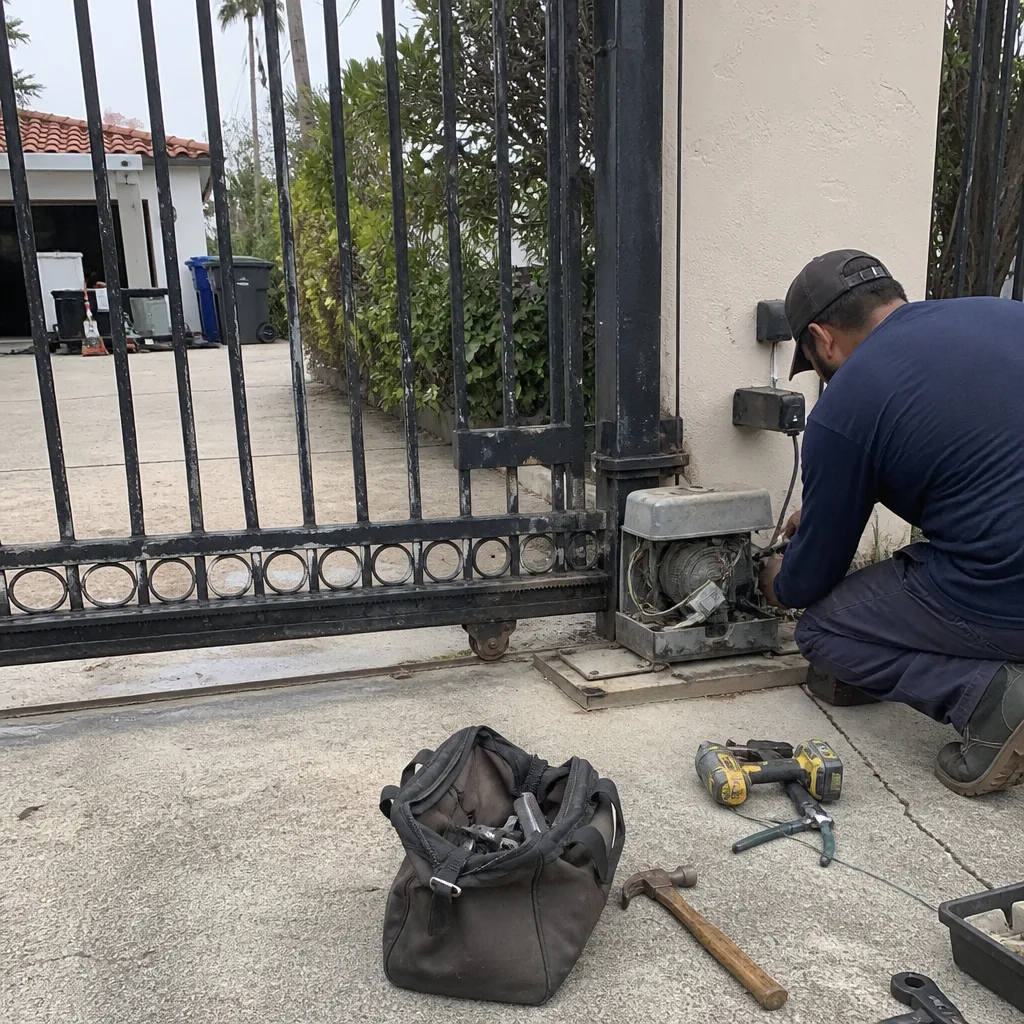 Before
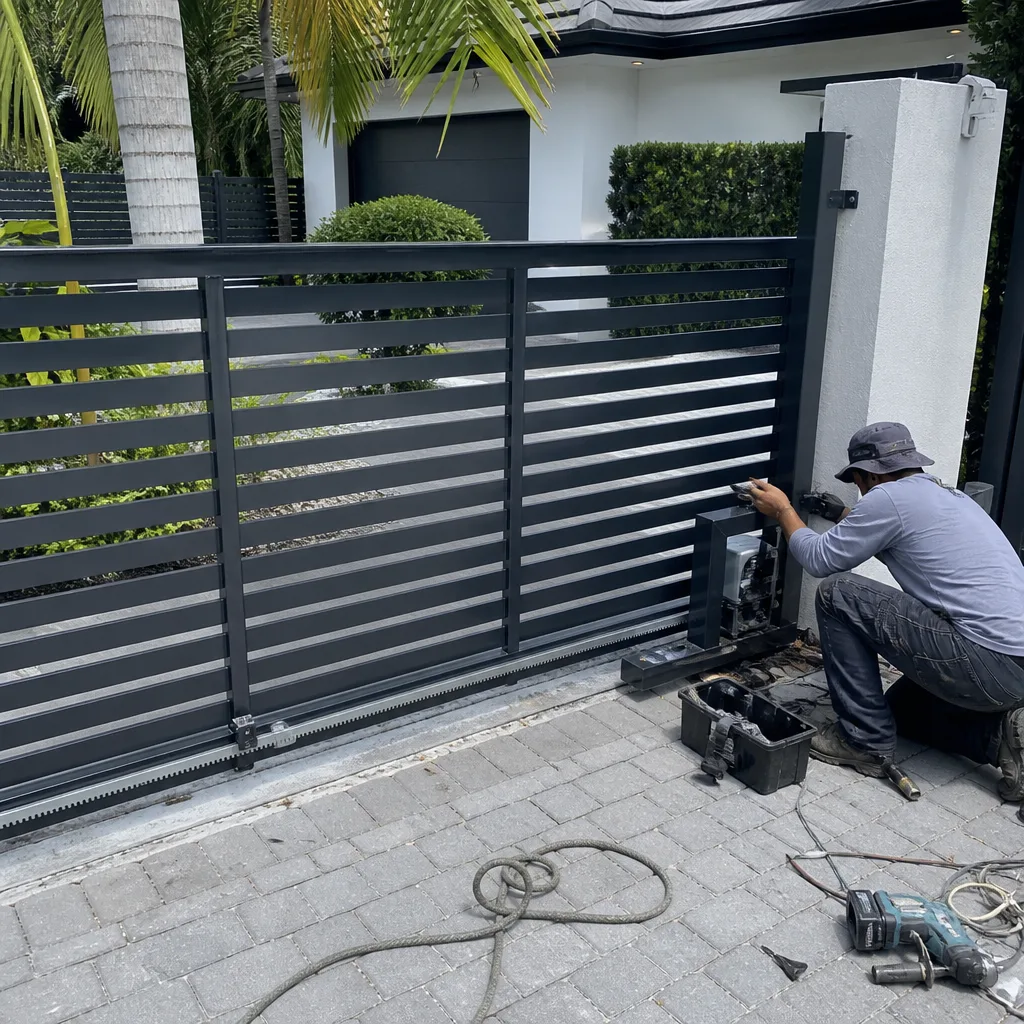 After
After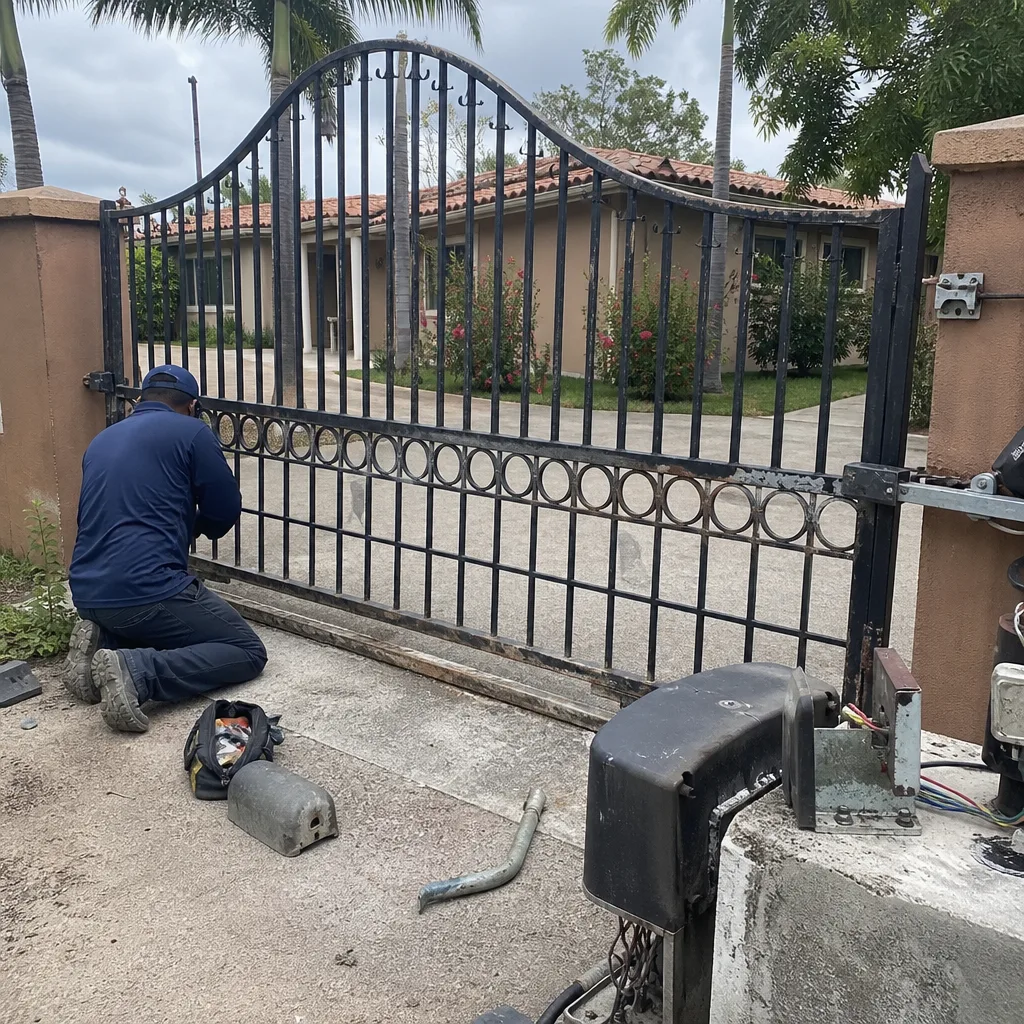 Before
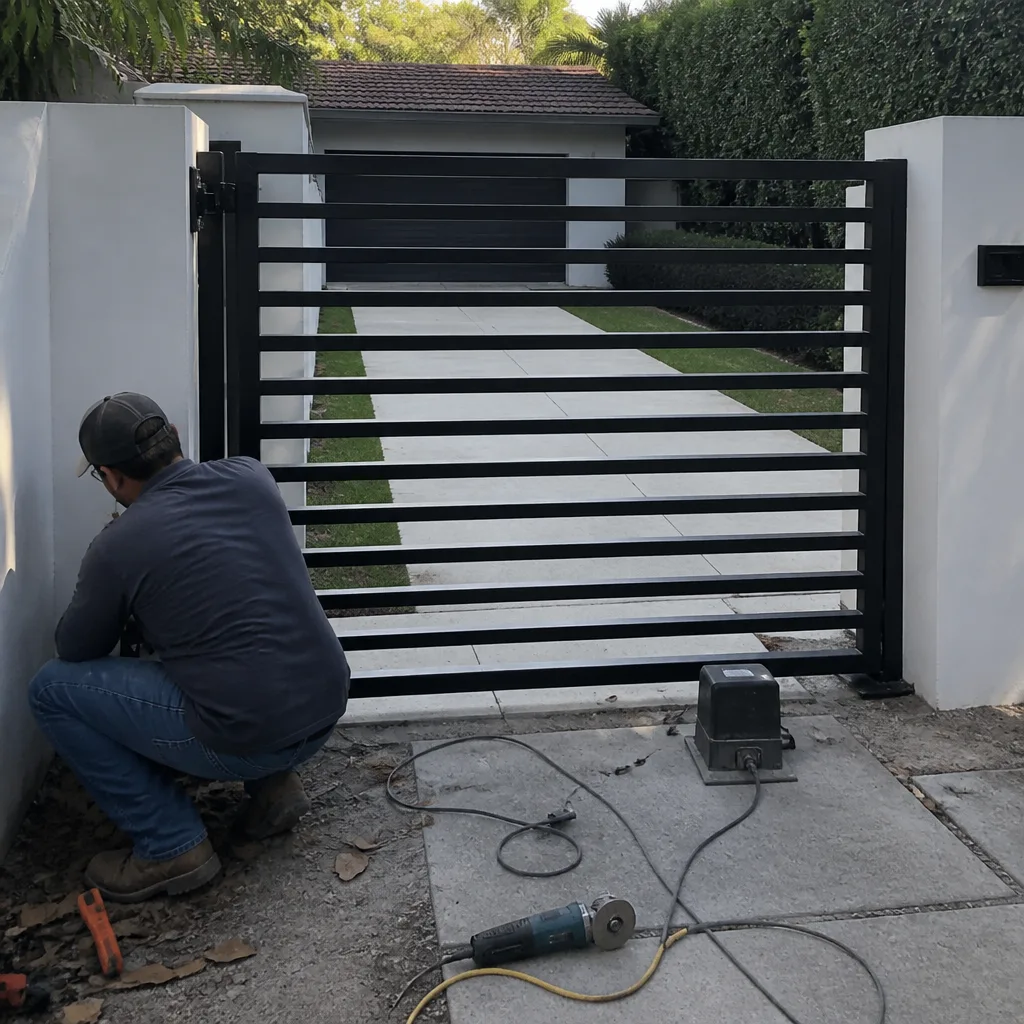 After
After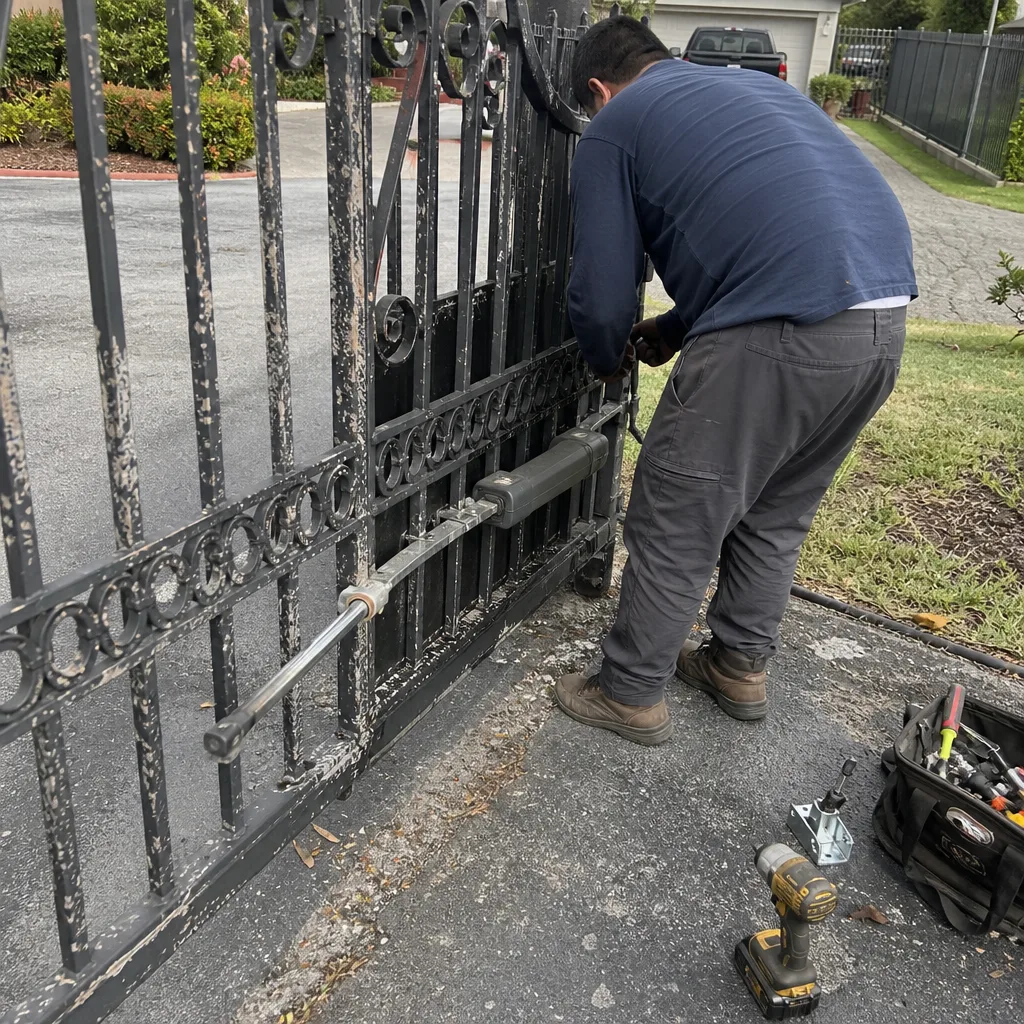 Before
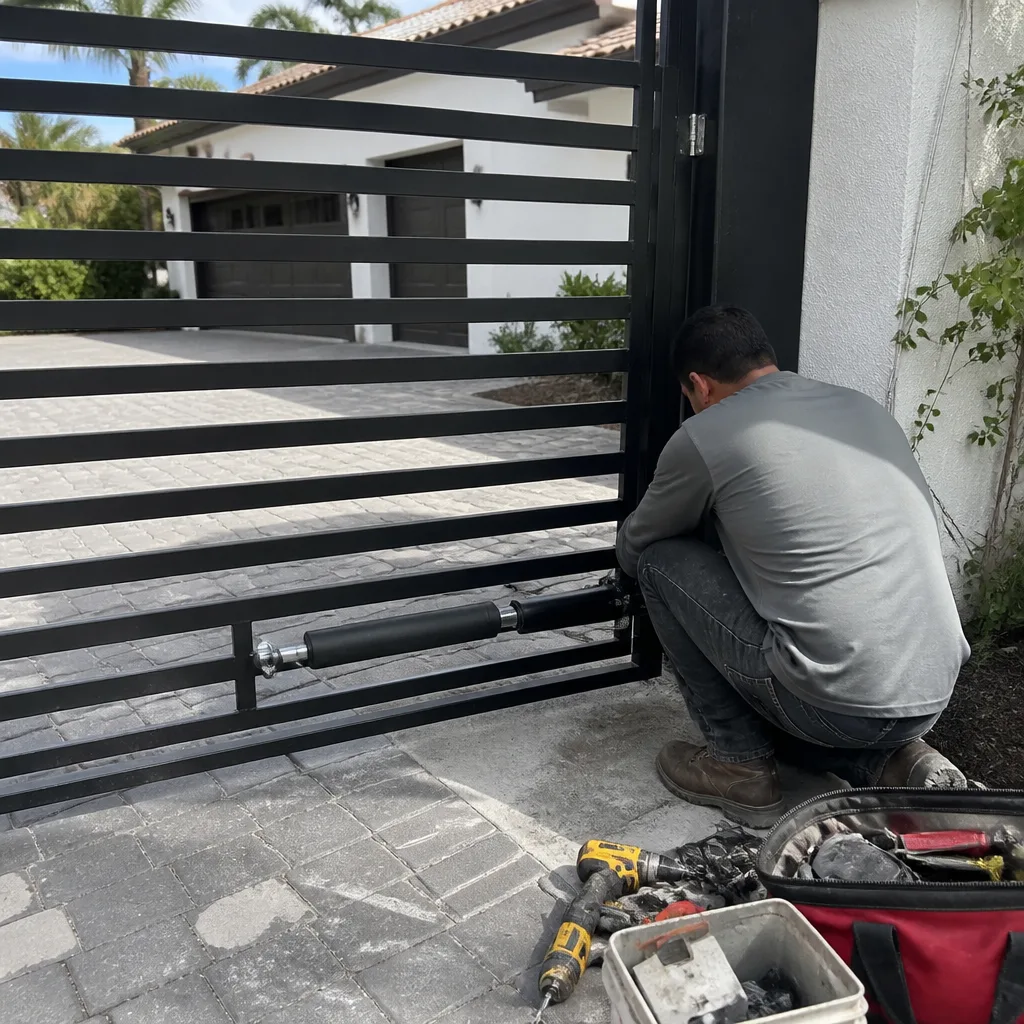 After
After