
Last updated October 16, 2026
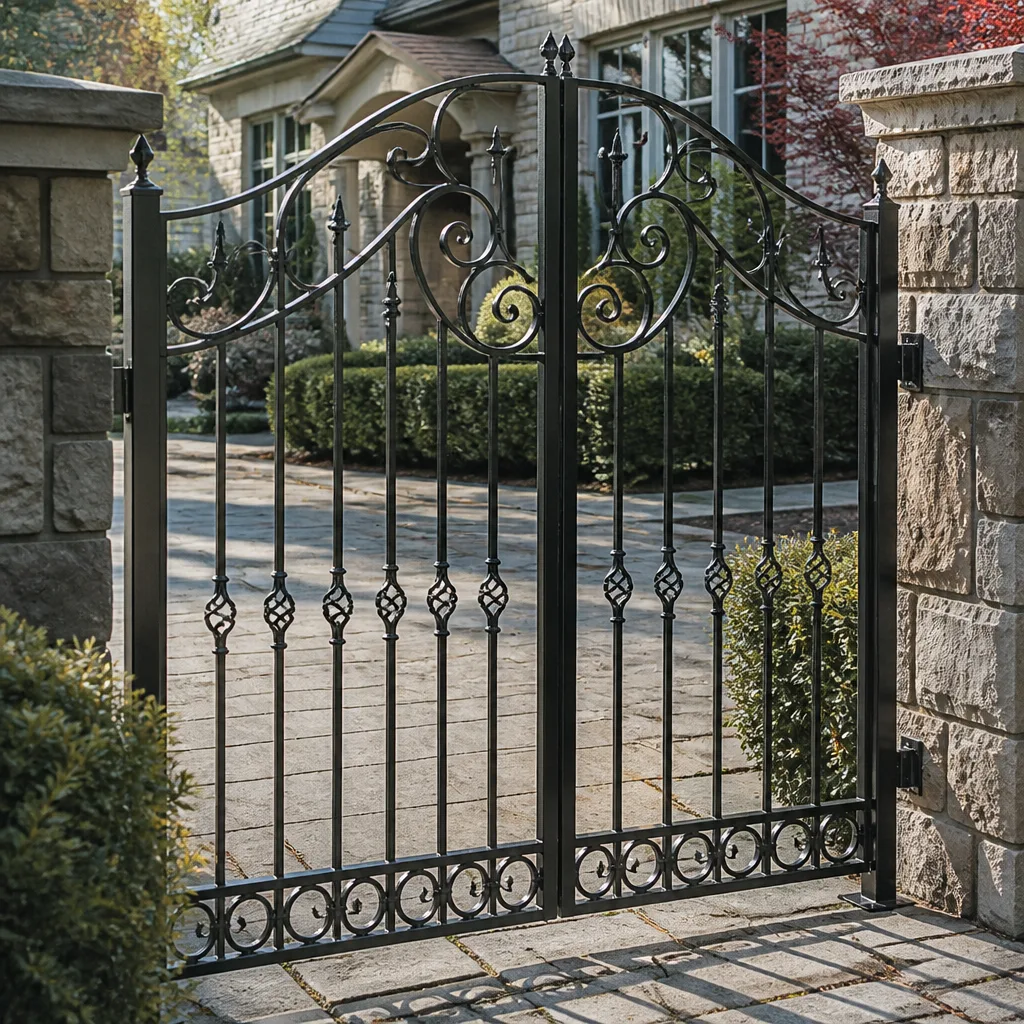 Wrought iron
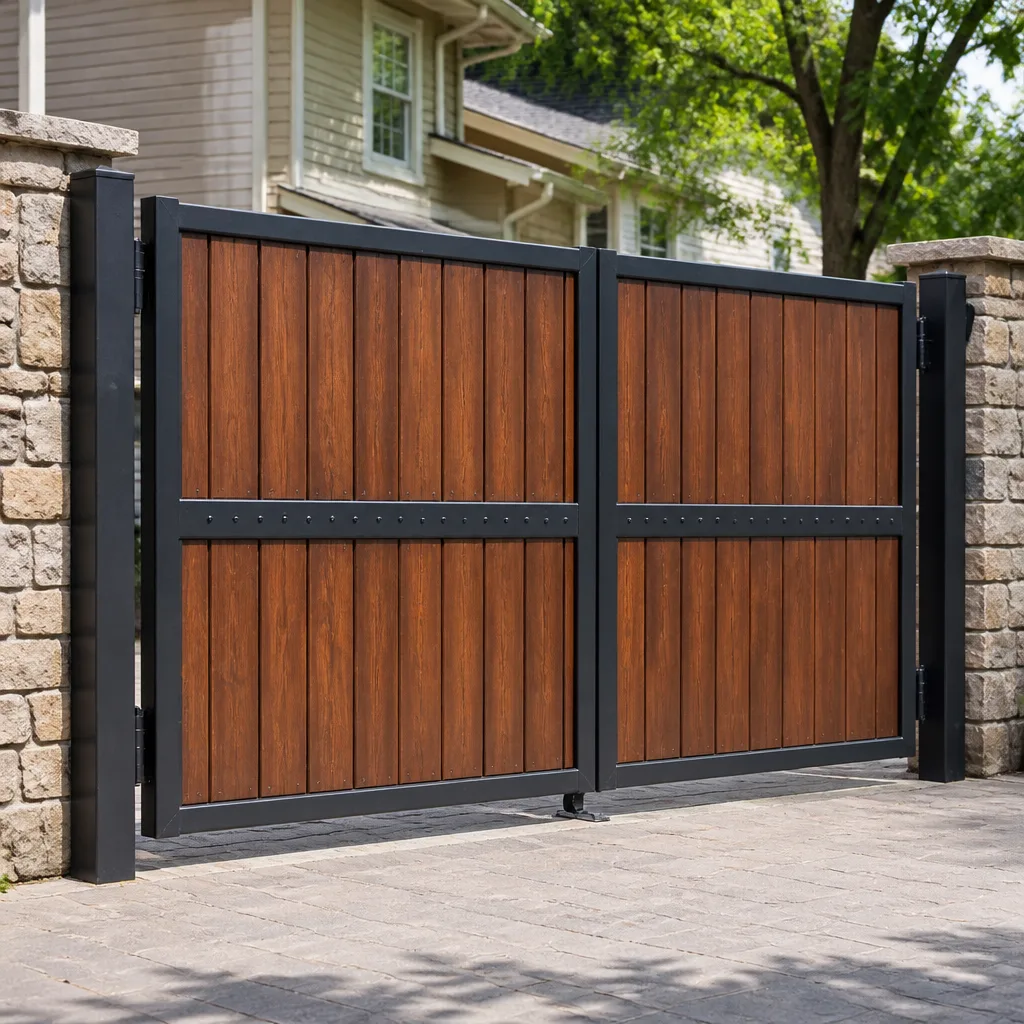 Wood & steel frame
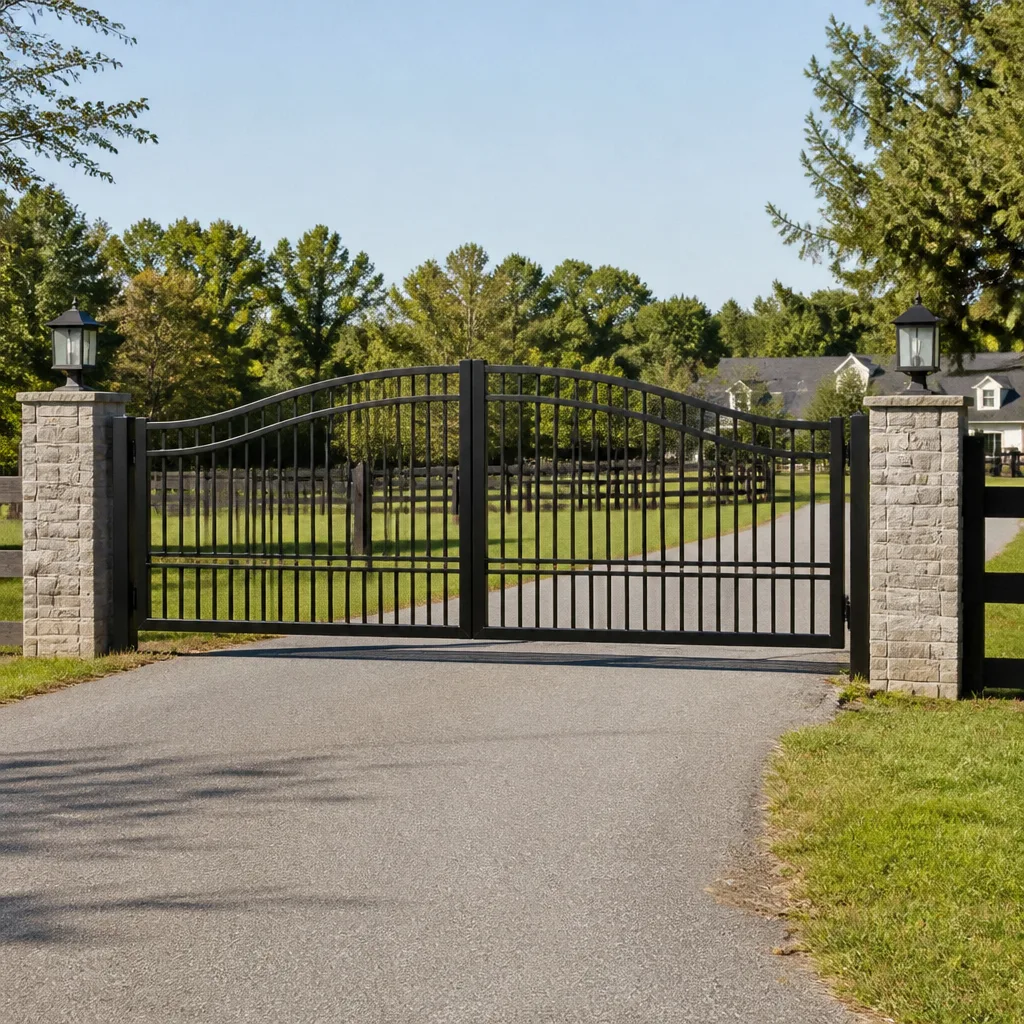 Farm & ranch
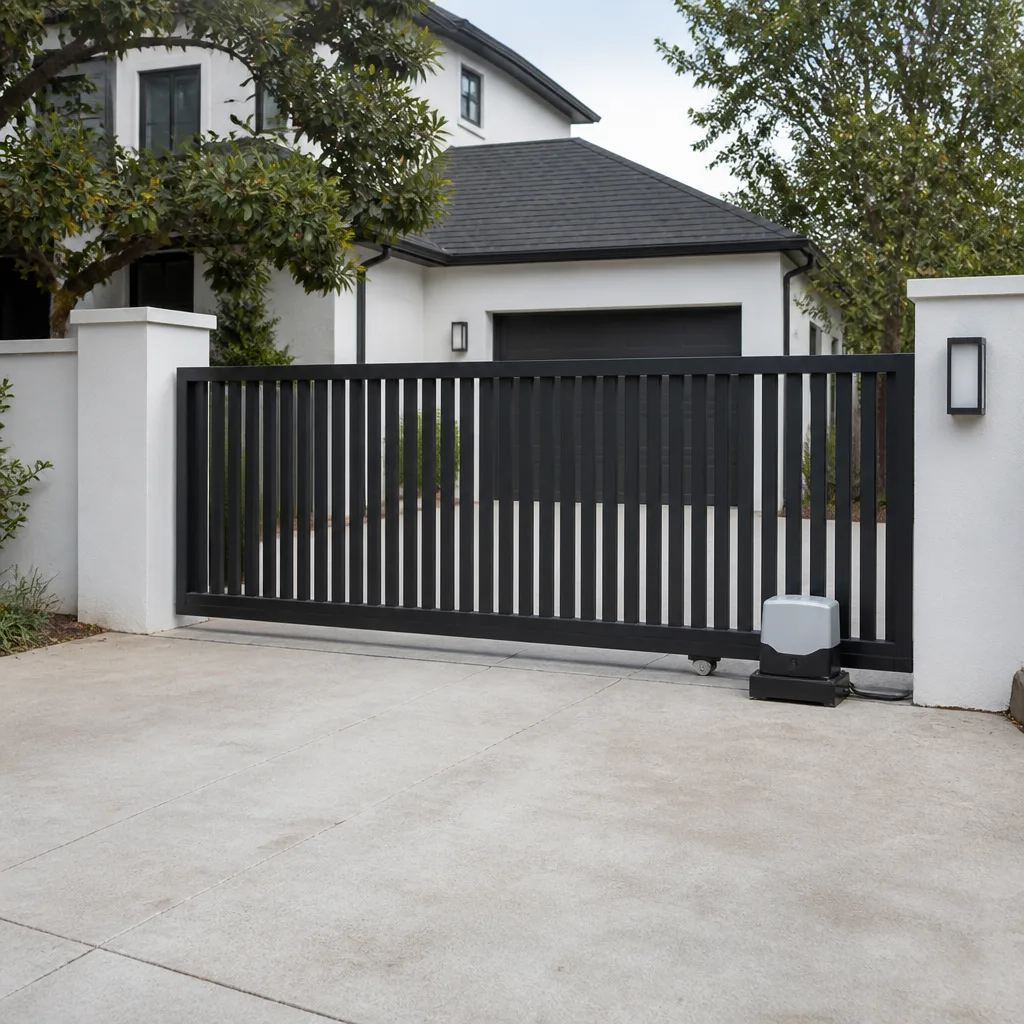 Sliding driveway gates
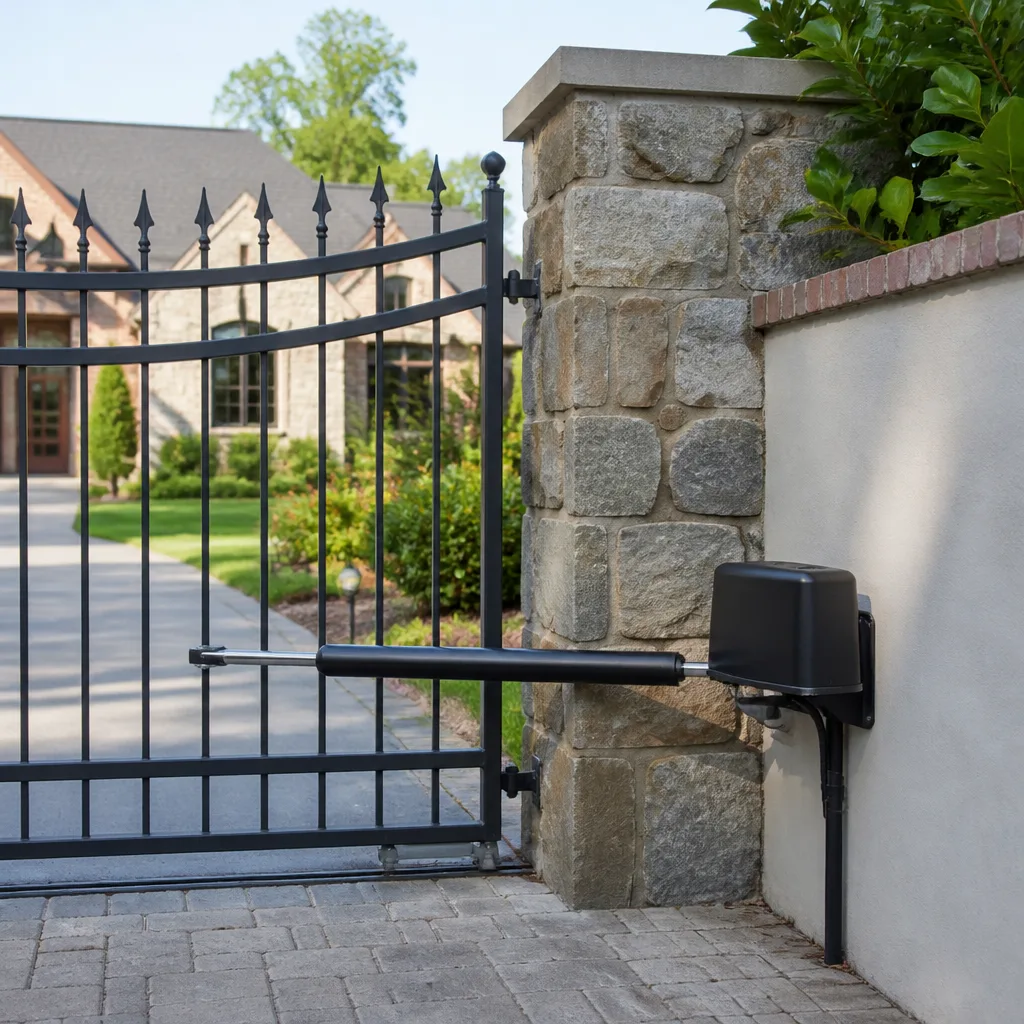 LiftMaster operators
Free on-site gate assessment - hinges, posts, and your LiftMaster or Nice gate operator checked before anything is quoted
The assessment is free and the quote is the invoice.
Get your free estimateSeasonal Gate Repair Care for Miami: Year-Round Homeowner’s Guide
Most gate maintenance advice you’ll find online was written for places with four actual seasons. Miami doesn’t work that way. We have two seasons, and they damage gates in completely opposite directions. The dry season, November through April, fills gate tracks with fine limestone dust from construction sites that grinds bearings down silently while everyone worries about other things. The wet season, May through October, attacks everything from the bottom up, starting with the post bases that sit in standing water after every afternoon downpour. This guide lays out a maintenance schedule built for how Miami actually behaves, not how a generic seasonal calendar says it should. You’ll learn what to check each month, what fails first in this climate, and which jobs genuinely need a Gate Repair services professional before they become emergencies.
Styles & brands we work with
Quick Answer
Seasonal gate maintenance in Miami means two distinct routines: a dry-season focus on dust removal, UV damage, and battery testing before storm season, and a wet-season focus on drainage, post-base corrosion, and hinge lubrication after every heavy rain. Most automatic gate failures in Miami trace back to one of five preventable causes: track debris, corroded post bases, sun-damaged wiring insulation, dead backup batteries, or misaligned safety sensors. A two-visit annual schedule, one in late April and one in late October, catches nearly all of them.
Table of Contents
- Why Miami Has Two Seasons, Not Four, and Why That Changes Everything
- Dry Season Maintenance (November – April): Dust, Sun, and Battery Testing
- Wet Season Maintenance (May – October): Water, Corrosion, and Drainage
- Hurricane Prep Protocol for Automated Gates: Before and After a Named Storm
- How South Florida Sun Destroys Rubber Seals and Wiring Insulation Faster Than Up North
- The Two-Visit Annual Service Schedule Built for Miami’s Climate
- What You Can Safely Check Yourself vs. What Needs a Trained Technician
- Common Mistakes to Avoid
- When to Call a Professional
- Frequently Asked Questions
- The Bottom Line
Why Miami Has Two Seasons, Not Four, and Why That Changes Everything
Miami’s climate operates on a binary: dry and wet. The dry season runs roughly November through April. Humidity drops, rain becomes rare, and everything gets coated in a fine layer of dust that most people never notice until something stops working. The wet season runs May through October, when afternoon thunderstorms are so predictable you can set a watch by them, and the air stays saturated enough that metal rusts faster than it would in a coastal Georgia summer.
Here’s what that means for your gate. A sliding gate track in Coral Gables or Kendall during the dry months accumulates dust the same way a car’s air filter does. That dust isn’t just dirt. In Miami, it’s often limestone dust from construction, or salt-laced sand blown in from the coast. When that material gets into bearing surfaces, it acts like sandpaper. By March, a gate that rolled smoothly in December starts grinding. The sound is subtle at first, and most homeowners don’t hear it until the motor is working twice as hard and drawing more current than it should.
Then the wet season arrives, and the failure mode flips. Water pools around gate posts after every downpour. If the post base wasn’t properly sealed or the drainage channel has filled with debris, that water sits against the steel for hours. Add salt from the coastal air, and you have a slow-motion corrosion event happening at the exact point where your gate’s entire weight is supported.
The takeaway: in Miami, you’re not doing “spring maintenance” and “fall maintenance” as separate nice-to-haves. You’re doing dust abatement and waterproofing on a schedule dictated by rainfall patterns. If you miss the late-April check, you enter storm season with a gate that may already have dry-season damage. If you skip the late-October check, you’re carrying wet-season corrosion into the dry months, where it hardens and becomes harder to address.
Dry Season Maintenance (November – April): Dust, Sun, and Battery Testing
The dry season is Miami’s longest stretch of predictable weather, which makes it the best time for the unglamorous work that prevents most gate failures. Here’s the Dry Season Maintenance Checklist we’ve developed after years of gate repair in Miami:
1. Track and Roller Cleaning (Monthly)
Sliding gates ride on a track at ground level. In Miami’s dry season, that track fills with dust, sand, leaf fragments, and construction debris from the constant building happening across the county. Use a stiff brush or a shop vacuum to clear the track every month. If you wait until the gate sounds rough, the bearings are already wearing. For the rollers themselves, wipe them down and check for flat spots. A flat-spotted roller doesn’t roll smoothly; it slides, and that sliding motion scores the track.
2. Painted Surface Inspection (Quarterly)
Dry-season sun in Miami is relentless. UV radiation breaks down paint and powder coatings faster than most northern homeowners realize. Check your gate’s painted or powder-coated surfaces every three months for hairline cracks, bubbling, or chalky residue. A chalky surface means the coating is oxidizing. Once the coating fails, the underlying steel is exposed to Miami’s humid air, and rust starts within weeks. Spot-painting a small crack in January costs a few dollars. Replacing a rusted-through gate panel in July costs hundreds.
3. Battery Backup Testing (Late April, Before Storm Season)
If your gate opener has a battery backup, the dry season is when you test it, not when the power is already out during a hurricane. Here’s the test: unplug the opener from the wall outlet, then operate the gate with the remote. If the gate opens and closes smoothly on battery power, the battery holds a charge. If it struggles, moves slowly, or doesn’t respond at all, the battery needs replacement before June. Most battery backups use sealed lead-acid or lithium batteries that degrade over 3 to 5 years in Miami’s heat. Testing takes five minutes. Finding out the battery is dead during a power outage after a storm is the worst possible time.
4. Wiring Insulation Check (Twice Per Dry Season)
Walk the length of your gate and check any exposed wiring, especially where wires enter the gate motor housing and where they run through conduit along the fence line. Miami’s UV index regularly hits 10 or 11 in the dry season. That level of sun exposure turns flexible PVC wire insulation brittle within a few years. Brittle insulation cracks, water gets in during the wet season, and you get a short circuit. If you see cracked, faded, or crumbling wire insulation, that’s a repair call. Do not attempt to re-insulate live wiring yourself; gate motors run on 120V or 240V circuits, and a mistake here is dangerous.
Wet Season Maintenance (May – October): Water, Corrosion, and Drainage
From May through October, Miami gets an average of 7 to 9 inches of rain per month. Afternoon thunderstorms drop an inch or more in under an hour. Water is the primary threat to every gate component during these months, and the damage happens in specific, predictable places.
1. Post-Base Drainage Check (After Every Heavy Rain)
This is the single most important wet-season habit you can build. After any rain event that leaves standing water in your yard, walk out to the gate posts and look at the base of each post. Is there a puddle touching the post? Is the ground saturated at the base? If water is pooling around a gate post, it’s working its way into the post base, whether through a crack in the concrete footing, a gap in the sealant, or a drainage channel that’s clogged with grass clippings.
In our experience with electric gate repair in Miami, post-base corrosion is the most expensive preventable failure we see. The fix is simple: clear the drainage path so water flows away from the post, and if the post sits in a low spot, add soil or gravel to create slope. For posts with visible rust at the base, scrub the rust, apply a rust converter, and repaint. If the post is rusted through, it needs replacement, which means resetting the post in new concrete. That’s a bigger job, and it’s exactly the kind of job that’s cheaper in November than in June.
2. Hinge and Pivot Lubrication (Monthly During Wet Season)
Swing gates pivot on hinges or bearing posts. During the wet season, high humidity and rain exposure wash lubricant away faster than you’d think. A dry hinge squeaks, then it binds, then the gate motor strains against the resistance. That strain burns out motors prematurely. Use a heavy-duty lithium grease or marine-grade lubricant on all pivot points once a month from May through October. Wipe off old grease and grime first, then apply fresh lubricant. Don’t use WD-40; it’s a solvent, not a long-term lubricant, and it’ll wash off in the next downpour.
3. Safety Sensor Alignment (After Heavy Winds or Lightning)
Automatic gates use photo-eye sensors mounted near the ground on either side of the gate opening. They bounce an invisible beam between them; if anything breaks the beam while the gate is closing, the gate reverses. During Miami’s wet season, these sensors get knocked out of alignment by wind-driven rain, flying debris, or the vibration of repeated lightning strikes nearby. If your gate starts reversing for no reason, or won’t close at all, misaligned sensors are the likely culprit. Check that both sensors point directly at each other and that their lenses are clean. If the problem persists, a technician can test the sensor wiring and alignment with proper diagnostic equipment.
4. Gate Motor Housing Moisture Check (Monthly)
Every gate motor, the box that slides or swings your gate automatically, has a housing that’s supposed to keep water out. In Miami’s wet season, the combination of high humidity and driving rain tests that housing constantly. Check the motor housing for condensation on the inside of any clear cover, water streaks, or rust on the housing screws. If the housing is warm to the touch and humid inside, moisture is getting in somewhere. Left unaddressed, internal moisture corrodes circuit boards and electrical connections, and that’s a gate motor repair in Miami that runs into the hundreds. A small bead of silicone sealant around the housing seam, applied during the dry months, prevents most of this.
Hurricane Prep Protocol for Automated Gates: Before and After a Named Storm
When a hurricane or strong tropical storm is forecast for Miami, your gate needs a short list of preparations that most homeowners don’t think about until it’s too late. Here’s the protocol, step by step:
Before the Storm
- Test the manual override. Every automatic gate has a manual release mechanism that disconnects the gate from the motor so you can open and close it by hand. Find yours. It’s usually a key, a lever, or a pull chain on the motor housing. Test it before the storm arrives. You do not want to be figuring out how to operate your gate manually in the dark with the power out and wind building.
- Charge or replace the battery backup. If your opener has a battery backup, make sure it’s fully charged. If you tested it during the dry season as recommended, you already know its condition. If you didn’t, test it now.
- Decide whether to leave the gate open or closed. This matters. If wind gets behind a closed swing gate, the gate acts like a sail and can bend the hinge posts or rip the gate panels off. Many Miami homeowners with swing gates choose to latch them fully open before a major storm so the wind can’t catch them. Sliding gates are less vulnerable to wind loading, but they can be damaged by flying debris. The right call depends on your gate type, your property layout, and the forecast. If you’re unsure, this is a good question to ask a local technician, not someone in an online forum.
- Secure or remove loose gate accessories. Gate openers, keypads, and intercom boxes mounted on posts need to be checked. Tighten mounting screws. If a keypad is loose, the wind will finish the job.
After the Storm
- Check for debris in the track before operating the gate. After a hurricane, gate tracks fill with leaves, branches, roof shingles, and sometimes pieces of other people’s fences. Do not operate the gate until you’ve cleared the track. A motor pushing a gate against a branch can strip gears or burn out the motor windings.
- Inspect the posts for leaning. Walk to each post and sight down it. If a post is leaning even a few degrees, the gate’s geometry has changed, and the gate may bind when it moves. A leaning post needs to be reset, ideally by a professional who can ensure proper alignment before the concrete sets.
- Test the opener on battery power first. After power is restored, unplug the opener and run it on battery once. This tests the battery’s condition after the storm and gives you a baseline before you switch to line power.
- Listen for unusual sounds. The first few operations after a storm are when you’ll hear grinding, squealing, or thumping that indicates something got damaged. Run the gate open and closed three times, listening carefully each time.
How South Florida Sun Destroys Rubber Seals and Wiring Insulation Faster Than Up North
Every gate has rubber and plastic components, even if you never notice them. Weather seals at the bottom of the gate, gaskets around the motor housing, wire insulation along the fence line, and the rubber wheels on sliding gate rollers all degrade from UV exposure. Miami’s sun is not the same as a northern sun. It’s stronger, it’s present more hours of the year, and it’s combined with humidity that accelerates the chemical breakdown of most flexible materials.
A rubber seal that might last 8 years in Ohio often lasts 4 to 5 in Miami. The failure mode is predictable: the rubber loses its elasticity, develops surface cracks, then splits. A split bottom seal lets water, dust, and insects into the gate’s internal cavity during every rain event. A cracked motor housing gasket lets humid air into the electronics bay, where condensation forms on circuit boards overnight.
Wiring insulation is the bigger problem. Most residential gate wiring uses PVC-insulated low-voltage cable for sensors and controls, plus heavier gauge wire for the motor power. In unshaded Miami sun, PVC insulation loses its plasticizers within 3 to 5 years. The insulation turns brittle, then cracks, then falls away, leaving bare copper exposed. Bare copper plus Miami humidity plus rain equals corrosion, and corrosion plus voltage equals a short.
Here’s what to look for: any wiring that’s sun-exposed, meaning it isn’t inside conduit or shaded by vegetation, needs to be checked twice a year. Look for fading (the original color turning chalky white), cracking (fine lines visible on the surface), or crumbling (insulation coming off when you touch it). If you see any of these, the wiring needs replacement. The replacement should be run inside UV-rated conduit, which is a job for someone who understands gate control systems and low-voltage wiring. This is not a “watch a YouTube video and figure it out” situation, especially when the wire runs near the 120V motor circuit.
Rubber components like seals and gaskets are easier for a handy homeowner to replace, assuming the gate is in the open position and the motor is disconnected. Even then, if the rubber is glued in place and the adhesive has failed, pulling it out and getting the new one seated properly can be frustrating. A Warden Gate Repair Miami home technician will often replace a set of worn seals in under an hour during a routine service visit.
The Two-Visit Annual Service Schedule Built for Miami’s Climate
After years of watching what fails and when, here’s the service schedule we recommend for every automatic gate in Miami. Two visits per year, timed to the transitions between seasons. Each visit is preventative, not reactive.
Visit One: Late April or Early May
This is the “get ready for wet season” visit. The dry-season dust is still on everything, and the first heavy rains are a few weeks out. During this visit:
- Complete track and roller cleaning. Remove all dry-season dust and debris. This prevents the wet-season rain from turning that dust into an abrasive slurry that grinds bearings and clogs track drains.
- Battery backup load test. Not just a voltage check, but a load test under actual operating conditions. A battery can show full voltage and still fail under load. This is the test that catches the battery that’s going to die in September.
- Post-base inspection and drainage correction. Check for standing water, corrosion, and cracks in the concrete footing. Address drainage issues before the daily rains start.
- Seal and gasket replacement. Replace any rubber components that are showing UV cracking. This is the one window each year when it’s dry enough to do this work properly.
- Full system operation test. Run the gate through 20 open-close cycles, testing every input: remote, keypad, intercom, safety sensors, manual release.
Visit Two: Late October or Early November
This is the “recover from wet season” visit, timed for after the last major rain events and before the dry-season dust starts accumulating again.
- Corrosion assessment. Check every metal component for rust that developed during the humid months: post bases, hinge plates, track brackets, motor housing fasteners. Scrub and treat surface rust before it progresses.
- Electrical connection inspection. Open every junction box and the motor housing. Look for green corrosion on terminals, moisture inside enclosures, and any sign that water got in during the wet season.
- Hinge and pivot re-lubrication. Clean off wet-season grime and apply fresh lubricant for the drier months.
- Sensor cleaning and alignment. Readjust any sensors that drifted during the storm season, clean the lenses, and test the reversal mechanism.
- Winter battery check. Verify the battery backup survived the storm season and will be ready for whatever the dry season brings.
This two-visit schedule works because it matches how Miami actually behaves. Every failure point gets addressed at the exact time it becomes addressable, before it becomes a repair call.
What You Can Safely Check Yourself vs. What Needs a Trained Technician
Most of this guide describes things you can check yourself. Some jobs genuinely need a professional, and the line between the two is not where most homeowners think it is. For the full picture, read The Complete Guide to Gate Repair in Miami.
Safe to Check Yourself
- Track debris: Sweeping, vacuuming, or brushing out the track is safe. The gate should be in the fully open or fully closed position and the motor should be unplugged while you work.
- Visual inspections: Looking at posts, wiring, seals, and painted surfaces doesn’t require any special skill. You’re looking for the signs described in this guide.
- Battery test: Unplugging the motor and running the gate on battery is safe and takes minutes.
- Drainage checks: Clearing leaves and debris from drainage channels around the posts is simple yard work.
- Lubrication: Applying grease to hinges and pivot points is straightforward. Use the right grease, not WD-40.
Needs a Trained Technician
- Anything involving the gate motor’s internal components. Gate motors run on 120V or 240V. Opening the housing and touching the wrong thing can cause serious injury or death. The motor is not a DIY component.
- Wiring repair or replacement. Even low-voltage wiring needs to be done correctly to avoid creating a safety hazard. If wiring is sun-damaged, a technician will replace it with properly rated wire and run it through conduit.
- Post resetting or replacement. A leaning or corroded post holds up your entire gate. Getting the new post perfectly plumb, properly anchored in concrete, and correctly aligned with the gate is precision work.
- Spring replacement on swing gates. Some swing gates use torsion springs to assist with opening. These springs are under high tension and can cause serious injury if they release unexpectedly. This is never a DIY job.
- Circuit board diagnostics. If the gate does something weird, intermittent, or doesn’t respond to inputs, the problem is often a circuit board. Diagnosing a board requires testing equipment and knowledge of the specific brand’s control logic. Guesswork leads to replacing parts that aren’t broken.
At Warden Gate Repair Miami, every technician who arrives at your door is background-checked, identity-verified, and photo-badged. We send you their name and photo before they arrive, and they show ID at the door. That’s the Threshold Standard we enforce on every visit, and it’s especially important in Miami, where homeowners are rightly cautious about who they let onto their property.
Common Mistakes to Avoid
- Ignoring the dry-season dust because the gate still works. Dust damage is progressive. By the time the gate sounds rough, the bearings and rollers are already worn. Monthly track cleaning takes ten minutes and prevents most sliding gate motor failures in Miami.
- Using WD-40 on hinges and pivots. WD-40 is a solvent with some light lubricating properties. It washes off in the first Miami downpour and leaves the hinge drier than it was before. Use a lithium or marine-grade grease instead.
- Waiting until a hurricane is forecast to test the manual override. The manual release on a gate opener that hasn’t been used in years is often seized or stiff. Figure it out in March, not in the middle of a storm warning.
- Letting standing water sit at the post base because you’ll “get to it later.” Every day water sits against a steel post in Miami’s heat and humidity is another day of accelerated corrosion. Post replacement is one of the more expensive gate repairs there is.
- Painting over rust without treating it first. Rust under paint continues to spread. You’ll have a nice-looking painted post that’s hollow inside. Scrub the rust, apply a rust converter like Ospho or Corroseal, then paint.
- Assuming a gate that works after a hurricane is undamaged. Storm damage is often invisible at first: a slightly bent hinge pin, a micro-fracture in a weld, a sensor knocked just barely out of alignment. Run the gate through its full range of motion and listen for changes.
- Skipping the late-April service visit because the gate seems fine. The late-April visit isn’t about fixing problems. It’s about preventing the problems that August’s daily thunderstorms will create. Skipping it doesn’t save money; it defers a larger invoice.
When to Call a Professional
Some gate problems announce themselves clearly: the gate won’t open, the motor makes a grinding noise, or the remote stopped working. Those are obvious repair calls. The subtler signs are the ones to watch for: a gate that moves slower than it did six months ago, a motor that sounds strained, a post that’s leaning just enough to notice, wiring with visible cracks, or a battery backup that didn’t pass its test. If you see any of these, don’t wait for the failure. A service call now is almost always cheaper than an emergency repair later. Warden Gate Repair Miami offers free estimates in Miami, and the written price is given before any work starts, every time. Call (850) 495-7564 to schedule a seasonal service visit or to ask a question about what you’re seeing.
Frequently Asked Questions
Twice a year, timed to Miami’s two seasons: one visit in late April or early May before the wet season starts, and one in late October or early November as the dry season begins. This schedule catches dust damage before it combines with rain, and catches wet-season corrosion before it hardens.
Preventative maintenance visits in Miami typically run from $175 to $350 per visit, depending on gate type, access, and what needs attention. Repairs that result from skipped maintenance run higher: a replacement gate motor is usually $450 to $1,400 including labor, a reset post is typically $300 to $800, and a new control board is commonly $350 to $800. These are Miami-market ranges, and your exact price should be written down before any work starts.
You can handle track cleaning, visual inspections, drainage clearing, lubrication, and battery testing yourself. You should not open the gate motor housing, repair wiring, reset posts, or touch torsion springs. Those jobs involve high voltage, high tension, or structural precision, and the risk of injury is real.
If the motor runs but the gate doesn’t move, the problem is usually mechanical, like a stripped gear or a broken drive chain, and that’s repairable. If the motor hums, trips the breaker, or smells burnt, the motor windings have likely failed, and replacement is usually the better call. A technician with brand-specific training on LiftMaster, FAAC, BFT, or Linear equipment can diagnose this quickly.
In Miami’s wet season, the most common cause is misaligned safety sensors. Heavy rain, wind, and the vibration from nearby lightning strikes knock photo-eye sensors out of alignment, which makes the gate “think” something is in the way. Cleaning the lenses and realigning the sensors usually fixes it. If it doesn’t, the sensor wiring may have water damage.
Yes. Every technician is background-checked, identity-verified, and photo-badged before they’re sent to any job. You receive the technician’s name and photo before the visit, and they show their ID badge at your door. That’s the Threshold Standard, and it’s enforced on every single visit. We know Miami homeowners take door security seriously, and we built our process around that reality.
The Bottom Line
Miami’s gate maintenance needs are driven by two seasons, not four. The dry season grinds gates down with dust and sun damage, and the wet season attacks from below with water and corrosion. The homeowner who tracks the track, checks the post bases, tests the battery, and watches the wiring on a twice-yearly schedule will catch almost every failure before it becomes an emergency. The homeowner who waits for the gate to stop working will pay more, wait longer, and often face a bigger repair. Two visits a year, at the right times, with the right checklist, keeps a Miami gate running for years longer than the national average. Explore our more guides & resources for additional maintenance tips. And when something does need a professional, Warden Gate Repair Miami shows up with a name, a photo, and a written price before any work starts. Call (850) 495-7564 for a free estimate.
Written by Cole Rafferty, Owner at Warden Gate Repair Miami, serving Miami since 2008.
See the difference
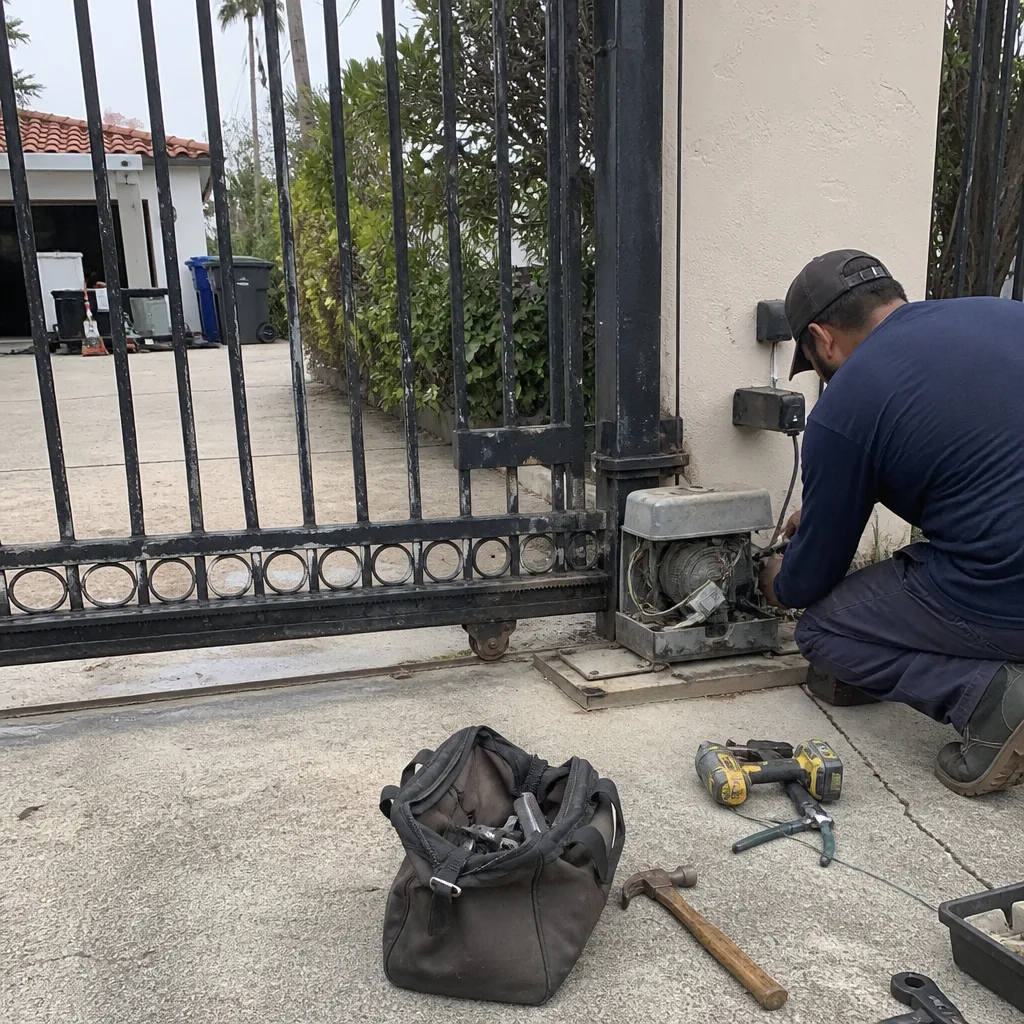 Before
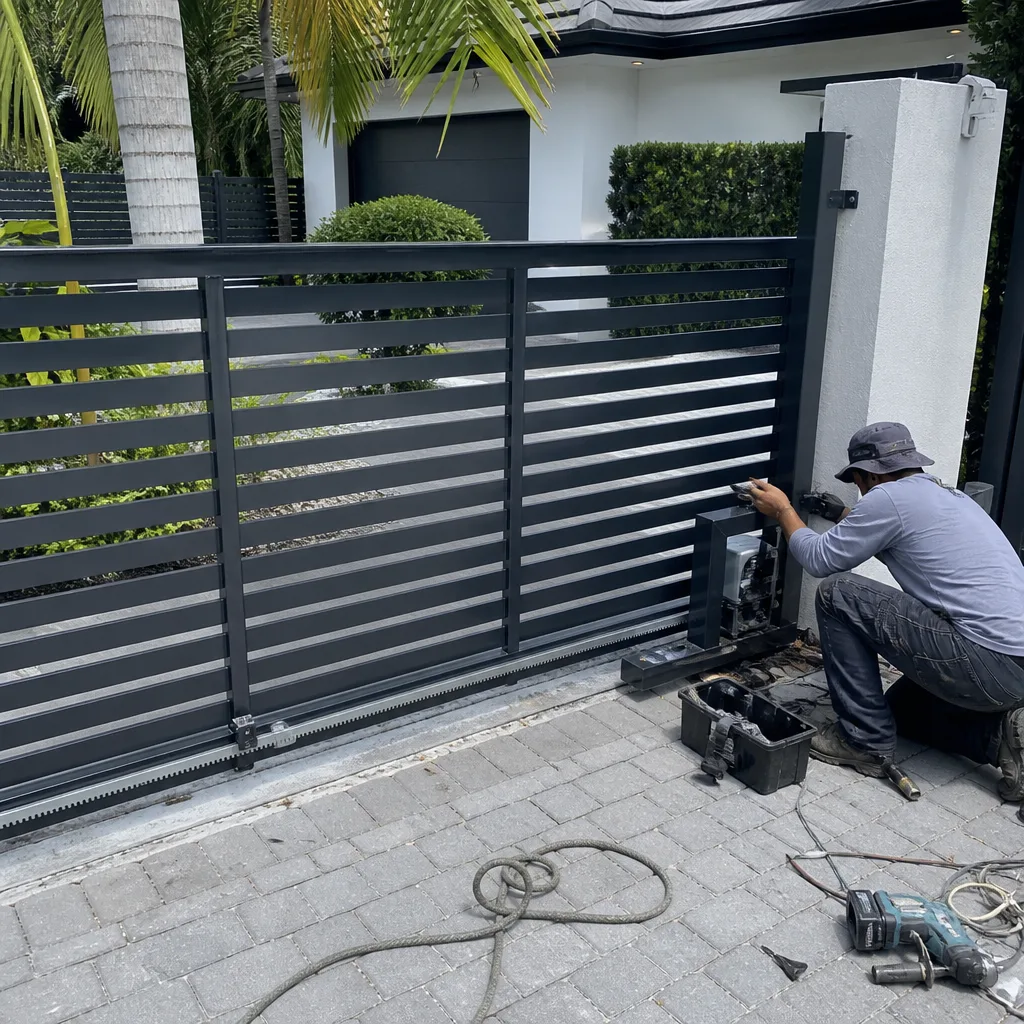 After
After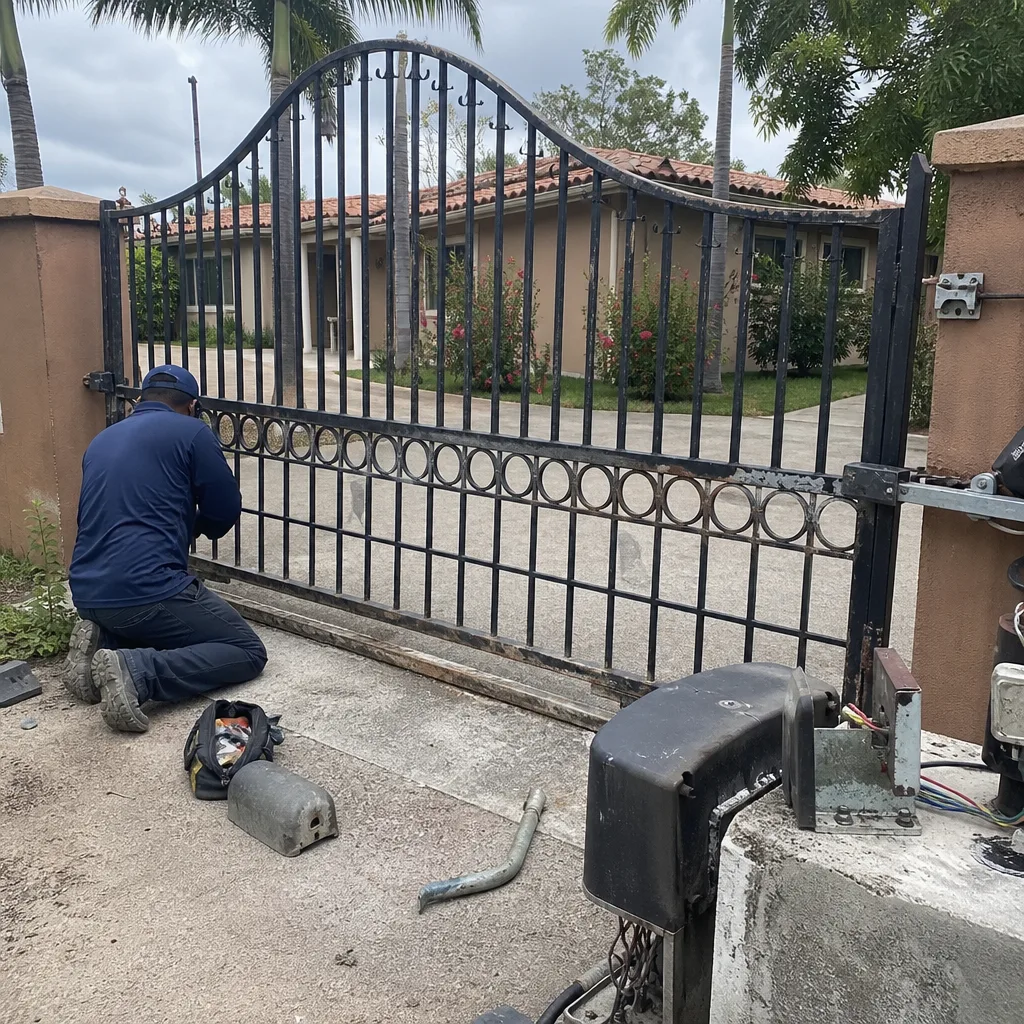 Before
 After
After Before
 After
After