
Last updated October 16, 2026
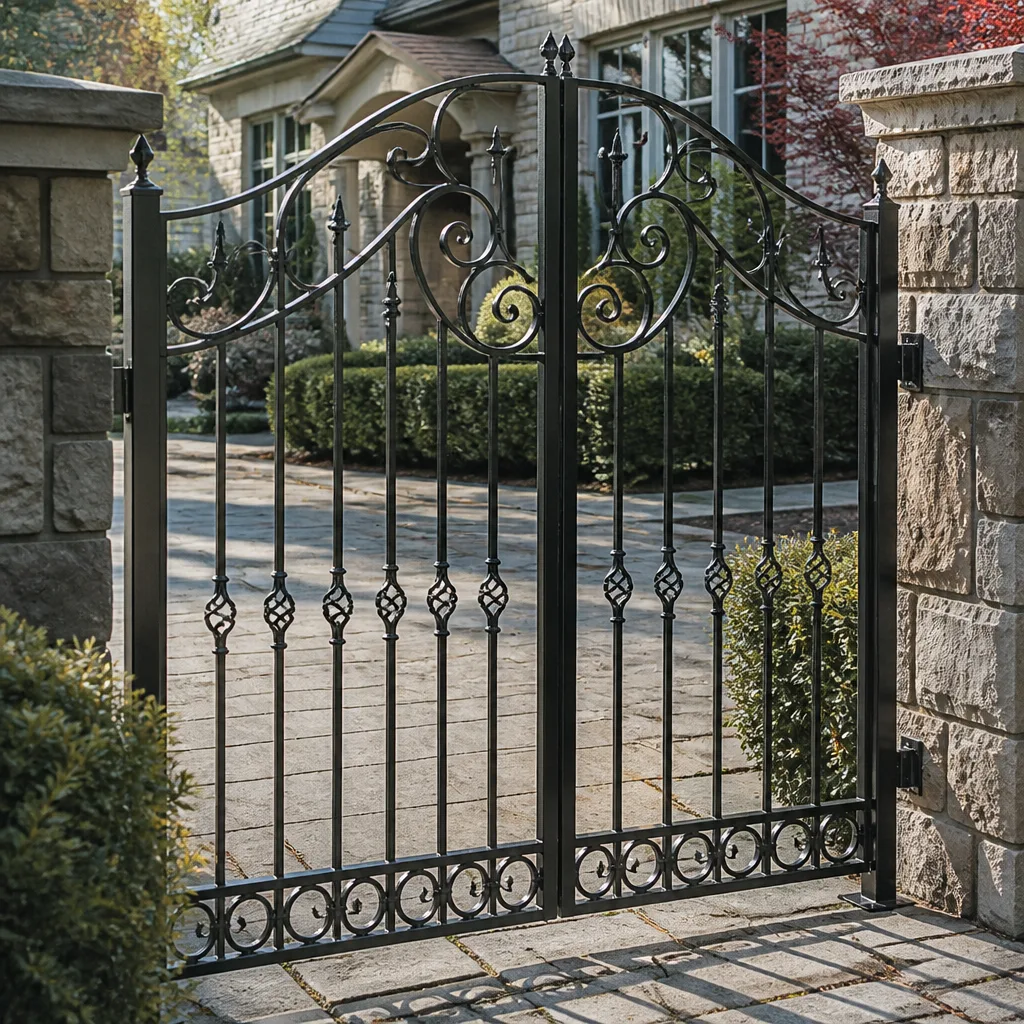 Wrought iron
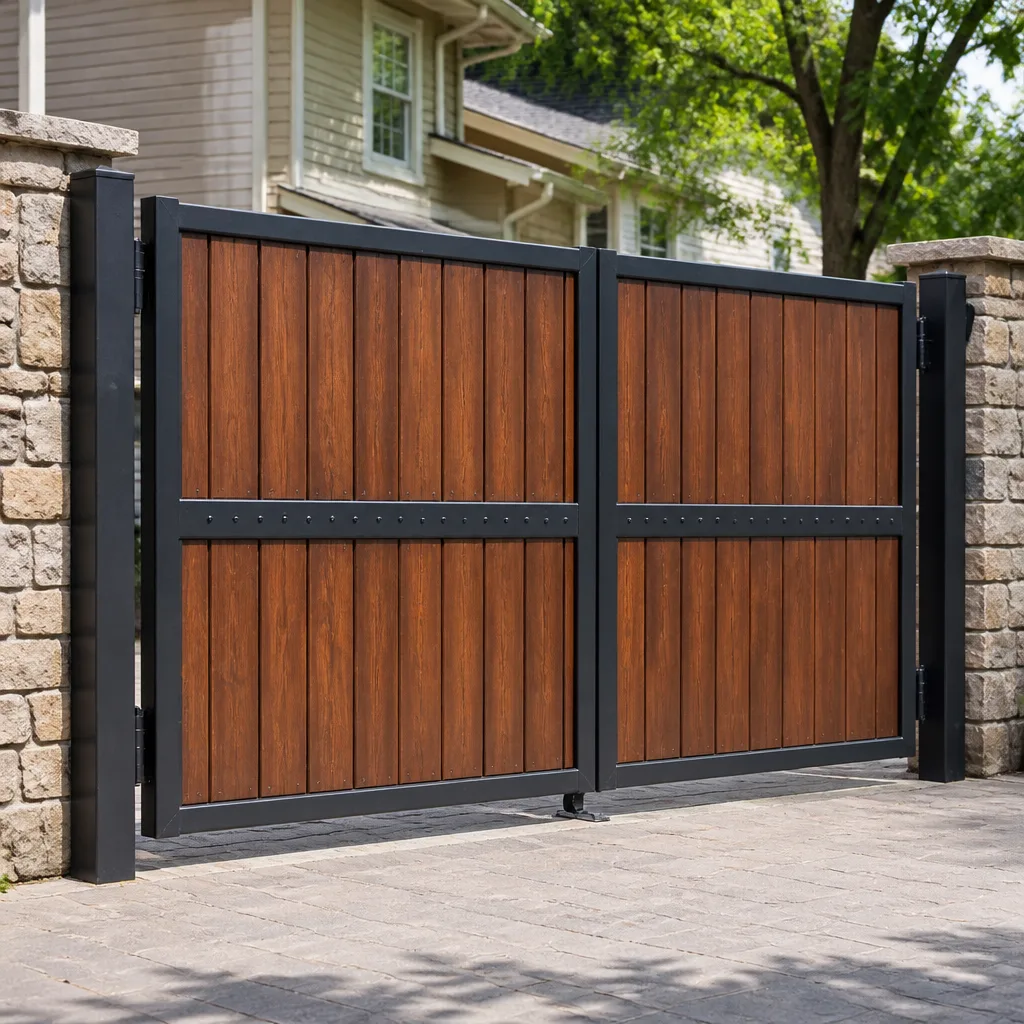 Wood & steel frame
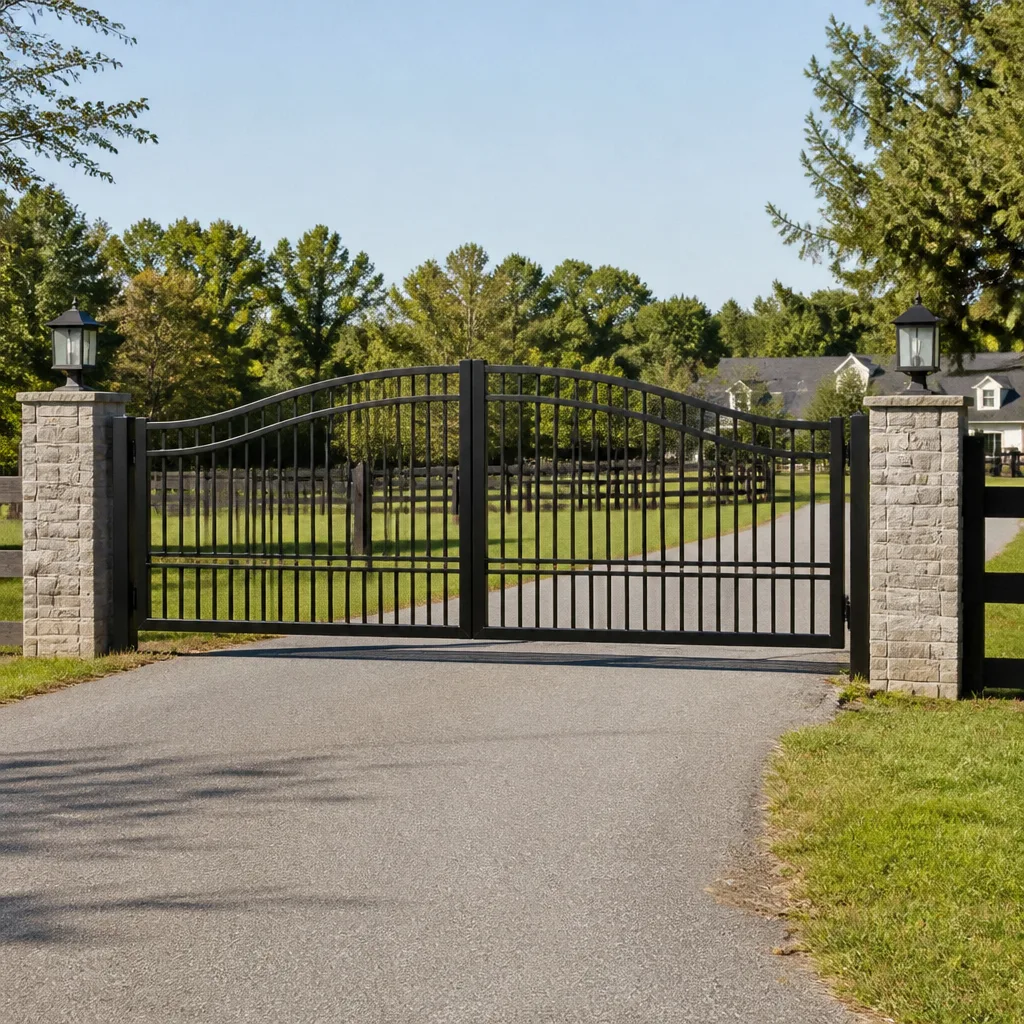 Farm & ranch
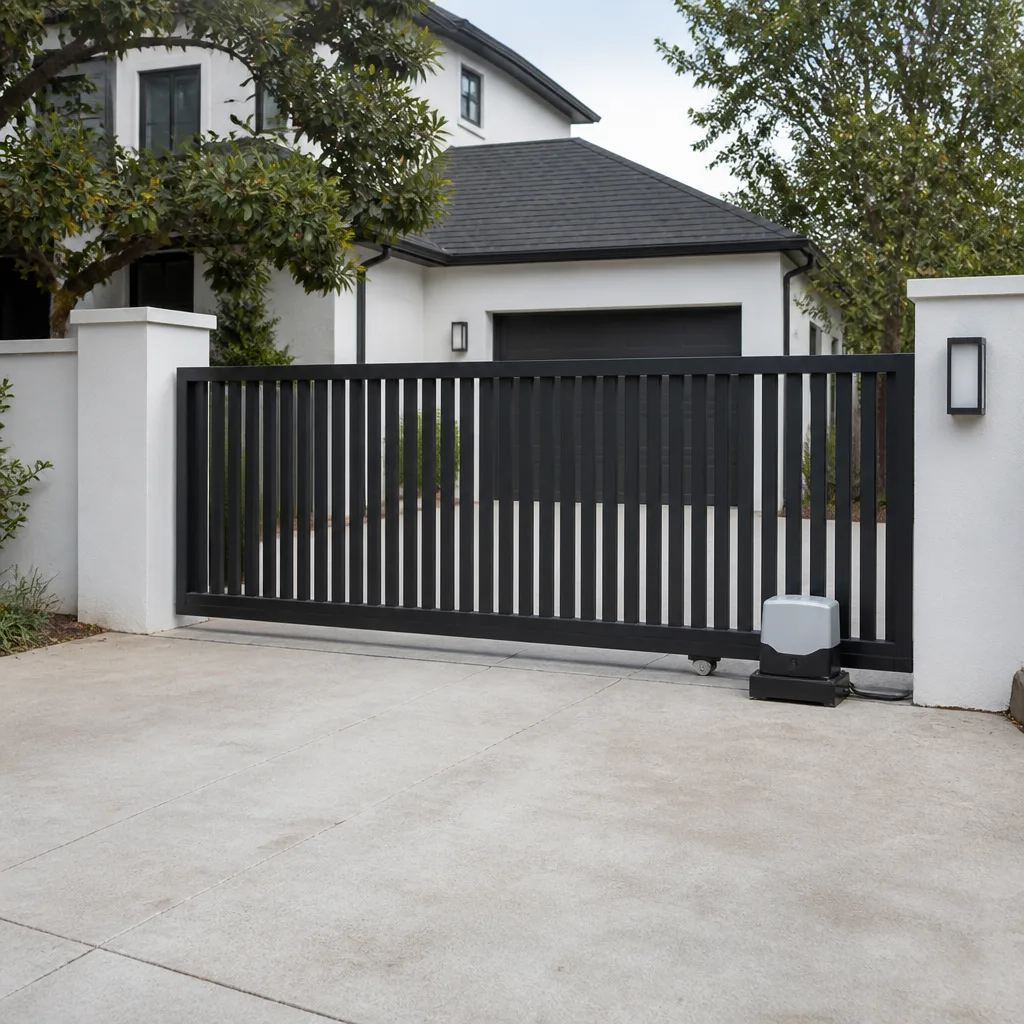 Sliding driveway gates
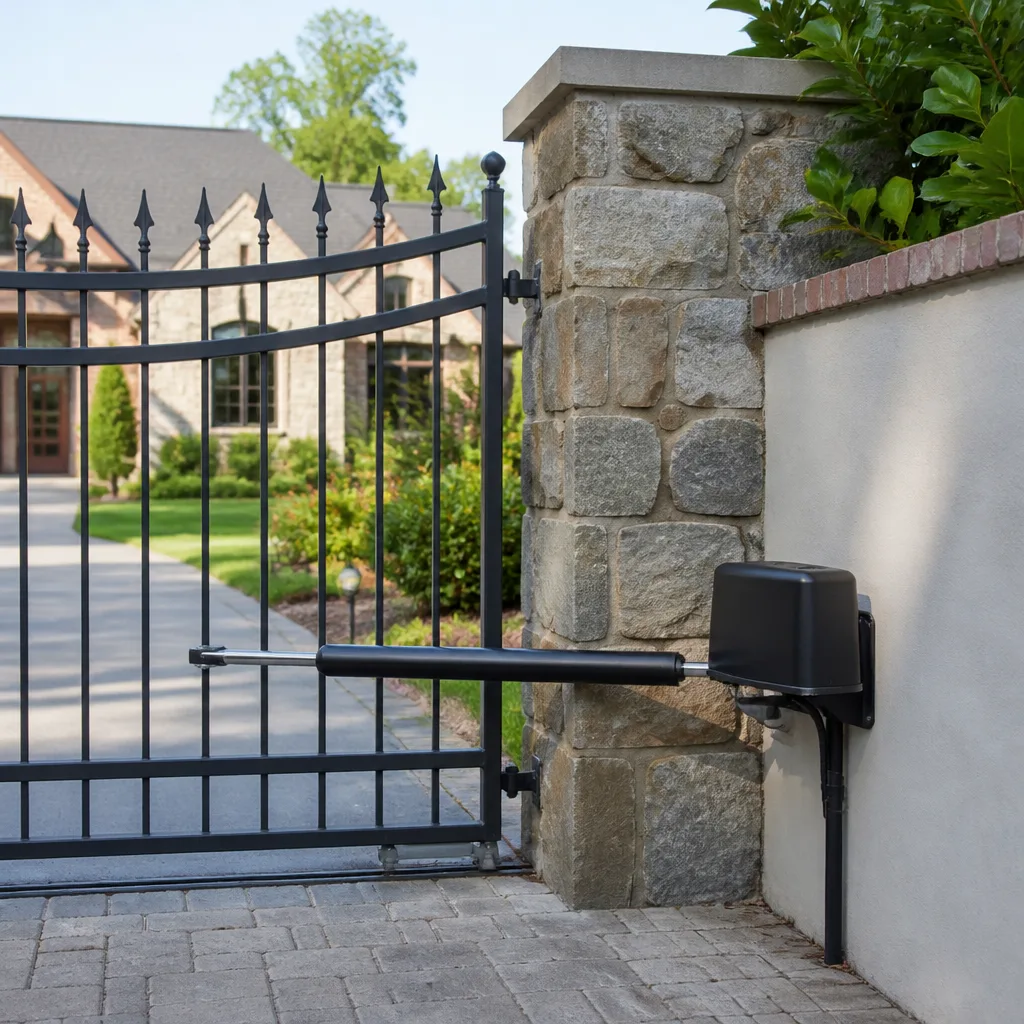 LiftMaster operators
Free on-site gate assessment - hinges, posts, and your LiftMaster or Nice gate operator checked before anything is quoted
The assessment is free and the quote is the invoice.
Get your free estimateGate Repair Permits, Codes & Inspections in FL: What You Need to Know
Here’s something most Miami homeowners learn the hard way: a gate opener installed without a permit can sit quietly for years, then surface during a home sale inspection and force a five-figure retrofit before closing. The buyer’s inspector flags it. The lender pauses. The seller pays. We’ve watched this exact scenario play out in neighborhoods from Coconut Grove to Kendall, and it’s almost always preventable with one phone call before the work starts. This guide walks through when Florida building codes require a permit for gate work, what inspectors actually check, how UL 325 safety standards fit in, and what unpermitted work means for your insurance policy.
Styles & brands we work with
Quick Answer
In Florida, simple gate repairs like replacing a hinge, welding a crack, or swapping a keypad rarely require a permit. But installing a new automated gate system, replacing a gate motor with a different model, or adding an opener to a previously manual gate generally triggers a building permit in Miami-Dade and Broward counties. An inspector will verify UL 325 safety compliance, wind-load anchoring, and electrical work. Skipping the permit can void insurance coverage on a future claim and complicate a home sale.
Table of Contents
- When Does Gate Work Require a Permit in Florida?
- Repair vs. Replacement vs. New Installation: The Legal Line
- Florida Building Code Section 1609: Wind-Load Requirements for Gates
- UL 325 and Automated Gate Safety: What an Inspector Checks
- HOA Approval vs. Municipal Permit: Why You May Need Both
- Unpermitted Gate Work and Homeowner’s Insurance Claims
- The Miami-Dade Permit Process: Step by Step
- Common Mistakes to Avoid
- When to Call a Professional
- Frequently Asked Questions
- The Bottom Line
When Does Gate Work Require a Permit in Florida?
Florida leaves permitting to local jurisdictions, which means the rules shift depending on whether you’re in Miami-Dade, Broward, or an incorporated city like Coral Gables or Hialeah. The underlying trigger, though, is consistent: a permit is required when the work alters the structure, adds electrical load, or changes the gate’s operation from manual to automated.
Miami-Dade County’s building department treats gate automation as an electrical and structural modification. That means a new circuit run to a gate motor, a new concrete pad for an opener post, or a gate leaf being hung on new columns all land in permit territory. Broward County follows a similar threshold, with some cities like Fort Lauderdale requiring a permit for any gate installation taller than six feet, regardless of whether it’s automated.
Here’s the breakdown we use when a customer asks whether their job needs a permit:
- Simple repairs requiring no permit: replacing a worn gate hinge, welding a cracked weld on an existing steel gate, swapping a keypad or remote receiver, replacing a gate wheel, adjusting limit switches on an existing motor.
- Work that typically requires a permit: installing a new automated gate system, replacing a gate motor with a model that draws different amperage, adding an opener to a manual gate, installing new gate posts or columns, running new electrical wiring to the gate, installing or replacing a vehicle detection loop in the driveway.
- Work that may require a permit and definitely requires an electrician’s sign-off: any new circuit from the main panel to the gate, underground conduit runs, or adding a subpanel near the gate location.
In Miami specifically, the city’s building department has its own inspection protocols layered on top of the county’s. What clears in unincorporated Miami-Dade may need an extra step inside city limits. We tell every customer the same thing: when in doubt, call the permitting office and ask. A five-minute conversation saves months of trouble later.
For more on the scope of gate work in the area, see our Gate Repair in Miami overview.
Repair vs. Replacement vs. New Installation: The Legal Line
The single most confused question in gate permitting is where repair ends and replacement begins. Florida code draws the line at like-for-like. If you replace a part with an identical or functionally equivalent part, no permit. If you replace it with something that changes the system’s behavior, electrical draw, or structural load, you’ve crossed into permit territory.
Example: a LiftMaster gate motor fails. You replace it with the exact same LiftMaster model, same voltage, same amperage, same mounting pattern. That’s a repair. No permit. You replace it with a different LiftMaster model with higher horsepower and a battery backup system. That’s a replacement that modifies the system, and Miami-Dade expects a permit.
The logic is straightforward. A permit exists so an inspector can verify that new work meets current code. Like-for-like repairs don’t introduce new code concerns. Modifications do.
Here’s a practical guide we give to Miami homeowners:
- Same part, same specs: no permit needed. Change the hinge, swap the remote, replace the keypad.
- Different part, same function: usually no permit, but check. Replacing a BFT motor with a FAAC motor of equivalent spec doesn’t trigger a permit in most Miami-Dade scenarios, but it’s worth a call if the amps or voltage differ.
- Different part, different function: permit required. Adding automation to a manual gate, changing from AC to DC motor, adding battery backup that requires new wiring.
- New gate or new posts: permit required, full stop. New concrete footings mean structural review and wind-load verification.
- New electrical run: permit required, and the electrical portion needs a licensed electrician’s work with a separate or combined electrical inspection.
If you’re working on an automated system, our Electric Gate Repair in Miami page explains what’s involved in keeping the electrical side compliant and reliable.
Florida Building Code Section 1609: Wind-Load Requirements for Gates
Florida’s building code has a reputation for being strict about wind, and Section 1609 is the reason. It governs wind-load resistance for all structures, including gates. Miami sits in a High Velocity Hurricane Zone, which means gates here must withstand higher wind pressures than almost anywhere else in the country.
What does that mean for a gate? Every component that keeps the gate attached to your property has to be rated for the wind forces Miami can experience. The gate posts, the hinges, the track, the motor mounting bracket, the cantilever supports, and the concrete footings holding the posts. An inspector reviewing a permitted gate installation checks all of it.
Here’s what an inspector looks for under Section 1609:
- Post embedment depth: gate posts in Miami-Dade typically need to be set at least 36 inches deep, with some municipalities requiring 42 inches for gates over eight feet wide. Shallow posts fail wind-load review.
- Concrete footing size: a gate post isn’t just stuck in dirt. The footing diameter and depth are calculated based on gate weight, height, and wind exposure. For a typical 14-foot driveway gate in Miami, expect a footing at least 18 inches in diameter.
- Hinge and hardware ratings: hinges, brackets, and track hardware must carry a manufacturer’s wind-load rating. Big-box generic hardware often fails this check, which is why inspectors look for commercial-grade hardware on automated gates.
- Gate leaf thickness and reinforcement: a hollow aluminum gate panel can flutter and fail in hurricane-force winds. Inspectors want to see bracing, stiffeners, or solid construction on anything wider than 10 feet.
- Motor and rack anchoring: the gate motor and the rack or chain it drives must be anchored to rated backing, not just sheet metal screws into thin tube.
The practical takeaway: if you’re replacing a gate in Miami with a heavier or larger model, the old posts may not pass current wind-load code. An inspector can require new footings even if you’re technically reusing the same footprint. We see this most often in older neighborhoods like Shenandoah and Coral Way, where gates from the 1980s and 1990s don’t meet modern Section 1609 standards.
UL 325 and Automated Gate Safety: What an Inspector Checks
UL 325 is a safety standard for automated gate openers, and Florida incorporates it by reference into the state building code. If you have an automated gate, UL 325 compliance isn’t optional. It’s law. The standard exists because automated gates have killed and injured people, mostly children, when safety devices failed or were never installed.
An inspector checking a permitted gate automation in Miami will verify several specific UL 325 provisions. Here’s the checklist, in the order an inspector typically walks through it:
- Entrapment protection devices: every automated gate must have at least two independent entrapment protection mechanisms. Typically that means photo eyes (light beams that reverse the gate when interrupted) plus contact edges or a reversing mechanism built into the motor.
- Force settings: the motor’s maximum force setting must reverse the gate when it encounters resistance. An inspector may test this with a force gauge, and a gate that pushes through an obstruction fails on the spot.
- Warning signs: two warning signs, one on each side of the gate, are required for residential automated gates. The signs must be permanently mounted and legible. Missing signs are an automatic fail.
- Manual release mechanism: the gate must be operable by hand if the power fails. For swing gates, that’s a manual release lever. For slide gates, it’s a detach mechanism. This matters for fire department access too.
- Control location: the open/close controls must be positioned so the operator can see the gate while operating it. A push-button mounted where you can’t see the gate is a UL 325 violation and an inspection failure.
- Photocell height and placement: photo eyes must be mounted at the height specified by the manufacturer, typically between 12 and 24 inches, and positioned to cover the gate’s full travel path.
- Start with HOA review: submit your gate design, dimensions, materials, and finish to the HOA’s architectural committee. Some HOAs restrict gate height, color, or style. Others prohibit certain automation types. Approval can take 2 to 6 weeks.
- Get HOA approval in writing: a verbal “that looks fine” from a board member doesn’t count. Get the written approval letter.
- Apply for the municipal permit: with HOA approval in hand, submit the building permit application. The permit package typically includes site drawings, gate specs, wind-load calculations, and electrical plans.
- Verify HOA rules on work hours and contractor access: Miami HOAs often restrict construction hours and require contractors to register with the property management office. Forgetting this can stall a project mid-installation.
- Property damage from a failed gate: an unpermitted gate falls off its mounts during a storm and damages a car. The insurance company investigates, finds no permit on file, and denies the claim based on policy exclusions for unpermitted work.
- Injury liability: an automated gate without UL 325 safety devices injures a visitor. Your homeowner’s liability coverage should respond, but the insurer may deny or reduce the claim if the gate system was installed without a permit and lacks the safety devices the permit inspection would have required.
- Fire or electrical damage: a gate motor circuit installed without a permit causes a fire. The fire investigation report notes unpermitted electrical work. Your claim for the fire damage is now contested, and Florida insurers are aggressive about this.
- Home sale complications: a buyer’s inspection or a four-point inspection required by a Florida insurer may flag unpermitted gate work. The insurer may refuse to write the policy until the work is permitted and inspected retroactively, which is harder and more expensive than doing it right the first time.
- Determine permit type: most gate projects fall under a residential building permit with an electrical sub-permit if there’s wiring involved. Some simpler gates qualify for an express permit if they meet specific size and type criteria.
- Prepare the permit package: site plan showing gate location and setbacks, gate elevation drawings, manufacturer spec sheets for the gate motor and hardware, wind-load calculations for the gate and posts, and an electrical plan if power is being run.
- Submit and pay: Miami-Dade allows online submittal for most residential permits. Expect fees in the $150 to $400 range for a typical gate permit, depending on project cost and whether an electrical permit is included.
- Plan review: the building department reviews for code compliance, and the electrical plan goes through an electrical reviewer. Response time typically runs 1 to 3 weeks depending on backlog.
- Perform the work: once the permit is issued, complete the gate installation or modification per the approved plans. Deviations from the plans should be documented and may require a plan revision.
- Schedule inspections: a typical automated gate project requires two inspections: an electrical rough-in inspection before conductors are concealed, and a final inspection once the gate is complete and operational.
- Final inspection specifics: the inspector will test the UL 325 safety features, check post depth and footing size against plans, verify the motor is anchored correctly, and confirm the warning signs are present. If any check fails, you’ll get a correction notice and a re-inspection date.
- Close the permit: once final inspection passes, the permit is closed. Keep a copy with your home records. It’s the document you’ll need for a future sale or an insurance question.
- Assuming repair and replacement are the same thing. Replacing a failed part with the identical part is a repair. Replacing it with a different model that changes the system’s electrical draw or behavior is a replacement, and Miami-Dade treats it differently. Check the specs before you assume no permit is needed.
- Pulling the municipal permit but skipping the HOA approval. In gated communities and HOAs across Doral, Pinecrest, and Palmetto Bay, the HOA has its own gate rules. An HOA violation can force gate removal even when the county permit was properly obtained.
- Burying electrical conduit without a rough-in inspection. The electrical rough-in inspection happens before the wiring is covered. Skipping it means exposing the conduit later or leaving the work uninspected, which fails the final.
- Installing a gate motor without UL 325 entrapment protection. A motor install without photo eyes or contact edges fails a Miami inspection and creates a serious safety hazard. It’s also the most common reason retroactive permits fail.
- Using gate hardware without wind-load ratings. Generic hinges and brackets from a hardware store rarely carry manufacturer wind-load ratings, and a Miami-Dade inspector will reject them. Use commercial-grade hardware with documentation.
- Losing the permit record after the work is done. The closed permit is your proof of compliant work. Without it, a future buyer or insurer may treat the gate as unpermitted. Keep the permit document with your home records.
Here’s the uncomfortable reality: a lot of gate automation in Miami was installed before UL 325 became strictly enforced, or was done without a permit by someone who didn’t know better. If you have an older gate or one with unknown installation history, an inspection may reveal missing safety devices. That’s a fixable problem, but it’s better discovered on your schedule than during a real estate transaction or after an injury.
When we replace gate motors in Miami, we routinely find systems where the photo eyes were never installed or were bypassed. Bringing those systems up to UL 325 is part of a proper motor replacement.
HOA Approval vs. Municipal Permit: Why You May Need Both
If you live in a Miami neighborhood with a homeowners association, your gate project may have two separate approval hoops. The HOA and the building department care about different things, and neither approval substitutes for the other.
The municipal permit is about safety and code compliance. The HOA approval is about aesthetics, placement, and community rules. Many Miami HOAs, including larger communities in Doral, Pinecrest, and Palmetto Bay, have architectural review committees that must sign off on any visible change to the front of the property, including gates.
The order matters, and getting it wrong is a common and expensive mistake:
Skipping the HOA can be more painful than skipping the permit. An HOA can demand removal of a non-conforming gate, and if you refuse, they can levy fines or place a lien on the property. We’ve talked to Miami homeowners who bought a home with an existing gate, only to learn at closing that the gate was never HOA-approved and the seller had an open architectural violation. Read your HOA documents before you buy, not after.
Unpermitted Gate Work and Homeowner’s Insurance Claims
This is the section that matters most for Miami homeowners, and it’s the one nobody talks about until something goes wrong. Unpermitted gate work can void coverage on a claim, even if the unpermitted work wasn’t the direct cause of the damage.
Insurance policies in Florida routinely contain language requiring that modifications to the property be performed with required permits. Here’s what that means in practice:
A gate motor or gate hardware failure that damages only the gate itself might not trigger an insurance claim at all, since it’s often below the deductible. The real exposure is when a gate causes a liability event or when unpermitted electrical work becomes part of a larger claim. The fix is to permit and inspect the work when it’s done. If you inherit unpermitted work with a home purchase, a retroactive permit is possible in Miami-Dade, but it requires bringing the work up to current code first. That can mean new safety devices, new footings, or new electrical runs.
The Miami-Dade Permit Process: Step by Step
If you’re pulling a permit for a gate project in Miami-Dade, here’s the sequence. The same general process applies in Broward, with variations in forms and inspection scheduling. In Miami-Dade, this all runs through the Department of Regulatory and Economic Resources (RER), and inside city limits, through the local city’s building department.
This process takes time, typically 4 to 8 weeks from application to closed permit, depending on plan review backlog and inspection scheduling. It’s not fast, but it’s also not optional for work that requires it.
Common Mistakes to Avoid
When to Call a Professional
Gate permitting and code compliance isn’t a DIY-adjacent project. If your gate project involves any of these, a professional is the right call: new electrical runs to the gate, any automated gate installation or motor replacement, structural work on gate posts or footings, or a gate that failed a previous inspection. The permitting paperwork and the wind-load and UL 325 details are specialized knowledge, and mistakes are expensive. Warden Gate Repair Miami offers free estimates in Miami. Call (850) 495-7564 to have a factory-trained technician evaluate your gate and tell you exactly what’s needed, including which permits apply.
Frequently Asked Questions
If you’re replacing a gate motor with the exact same make and model, no permit is required. If the replacement motor has different voltage, amperage, or functionality, a permit is required in Miami-Dade and Broward counties. When in doubt, check with your local building department or ask a professional. Call (850) 495-7564 if you want to know whether your specific motor replacement needs a permit.
A buyer’s inspector or an insurance four-point inspection can flag unpermitted gate work, and the buyer or their lender may require retroactive permitting before closing. Bringing unpermitted gate work up to code often costs more than the original permitting would have. A retroactive permit requires the work to meet current code, which can mean adding UL 325 safety devices, new footings, or correcting electrical runs.
A typical residential gate permit in Miami-Dade runs $150 to $400, depending on project value and whether an electrical sub-permit is included. Inspection fees are typically included in the permit cost. Re-inspection after a failed inspection may carry an additional fee.
No. An HOA approval covers aesthetics and community rules. A building permit covers safety and code compliance. For automated gates in Miami communities with HOAs, you often need both, and the HOA approval should come first. Neither one substitutes for the other.
An inspector checks UL 325 entrapment protection devices like photo eyes and contact edges, motor force settings, warning signs, manual release operation, control placement with visibility, post embedment depth and footing size against wind-load requirements, and electrical connection safety. Any failed item means a correction notice and re-inspection.
Probably not. Florida insurance policies typically exclude damage connected to unpermitted work. If an unpermitted gate fails and damages property, or an automated gate without safety devices injures someone, the insurer can deny the claim. The permit and inspection record is your protection against that outcome.
The Bottom Line
Gate permitting in Florida isn’t bureaucratic overhead. It’s the system that verifies your gate will survive a hurricane, stop before it crushes a child, and stay connected to your insurance coverage when something goes wrong. If you’re repairing a gate with like-for-like parts, you’re almost certainly fine without a permit. If you’re installing automation, replacing a motor with a different model, or putting in new posts, get the permit. If you inherited an unpermitted gate with a home purchase, address it before you sell or before a claim tests your policy. When in doubt about your specific gate, call a professional who does this work every day in Miami. Warden Gate Repair Miami is at (850) 495-7564, with live-person support around the clock and written pricing before any work begins. For a full picture of gate services, visit the Warden Gate Repair Miami home page or explore Electric Gate Repair in Miami and Gate Motor Repair in Miami.
Written by Cole Rafferty, Owner at Warden Gate Repair Miami, serving Miami since 2008.
See the difference
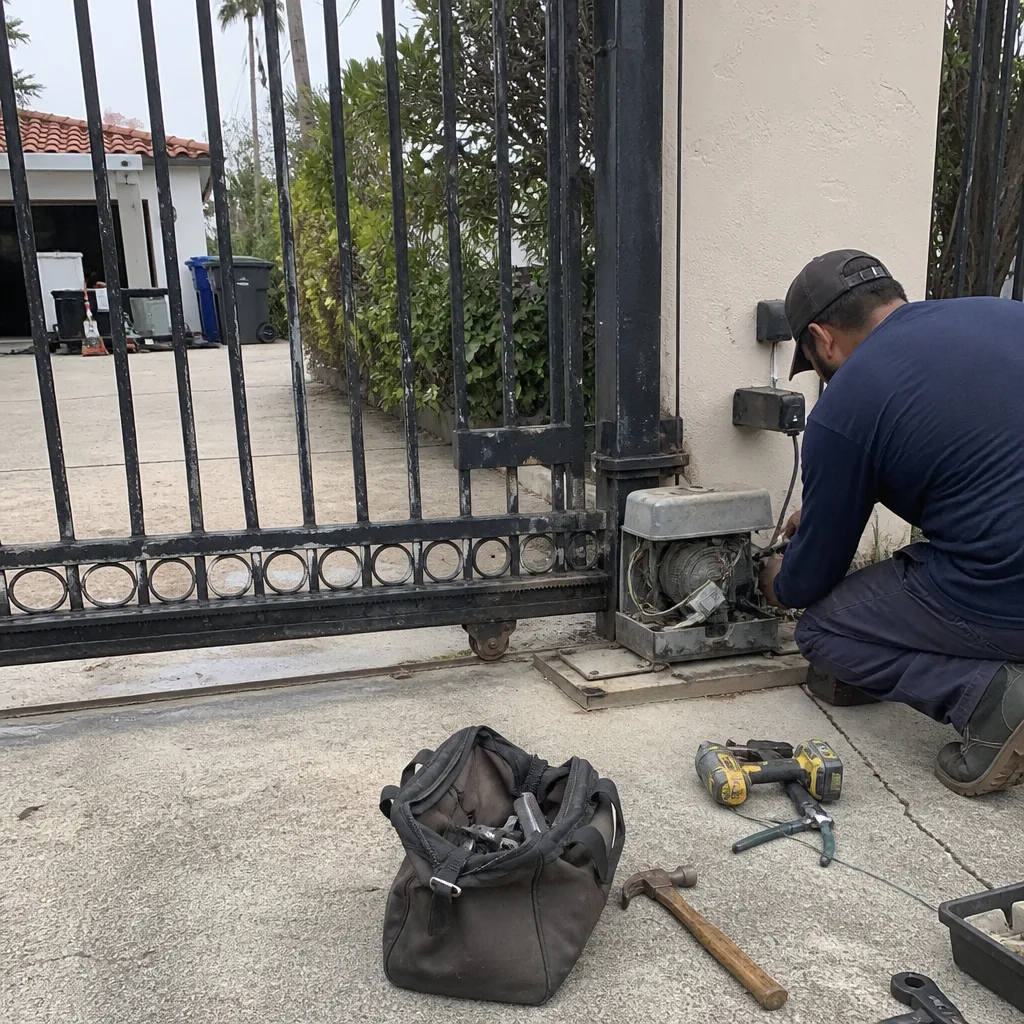 Before
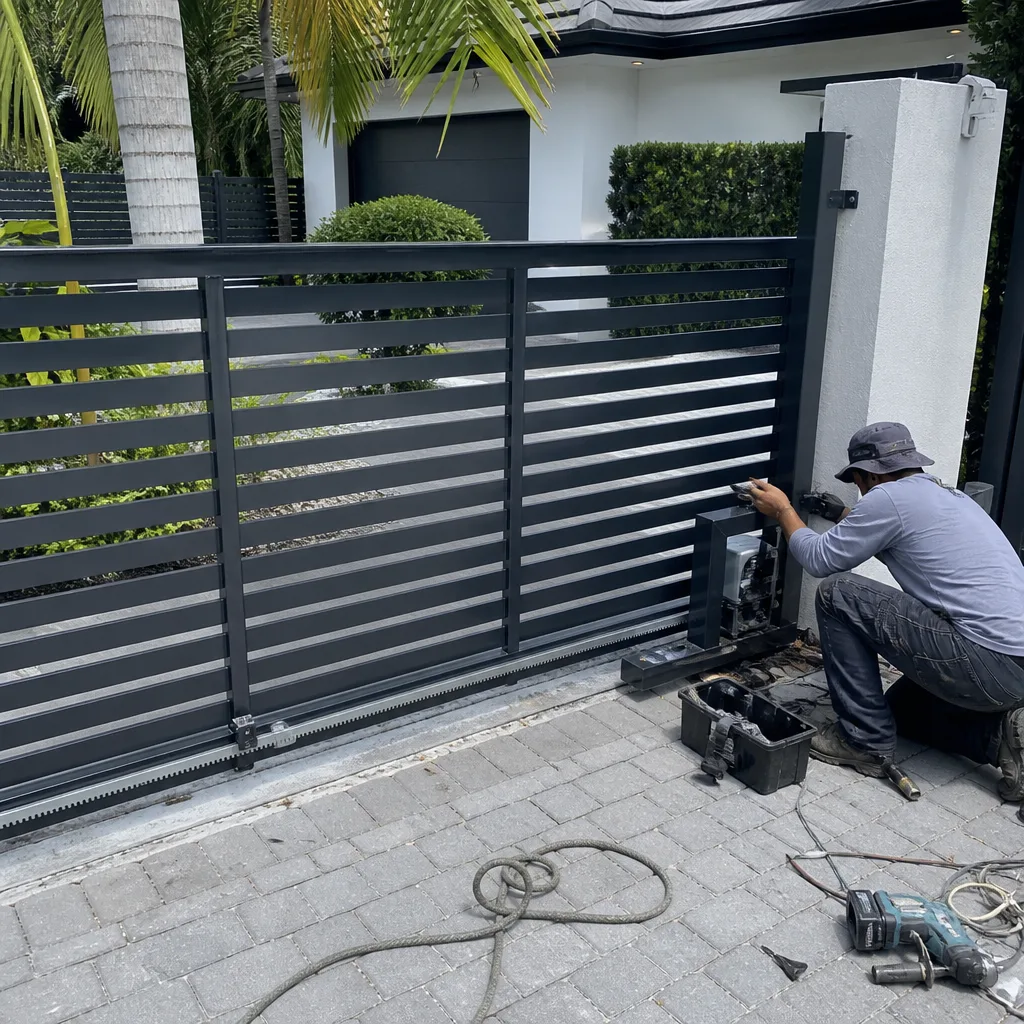 After
After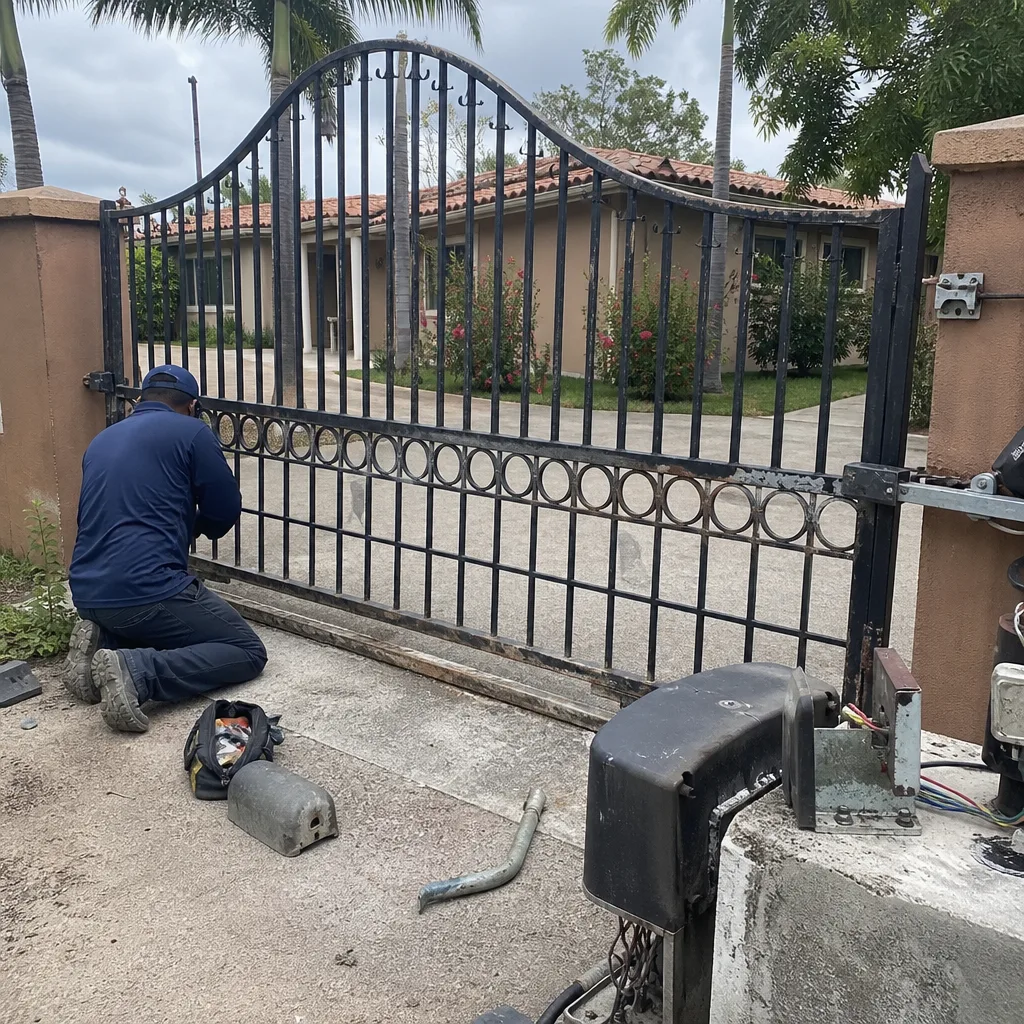 Before
 After
After Before
 After
After